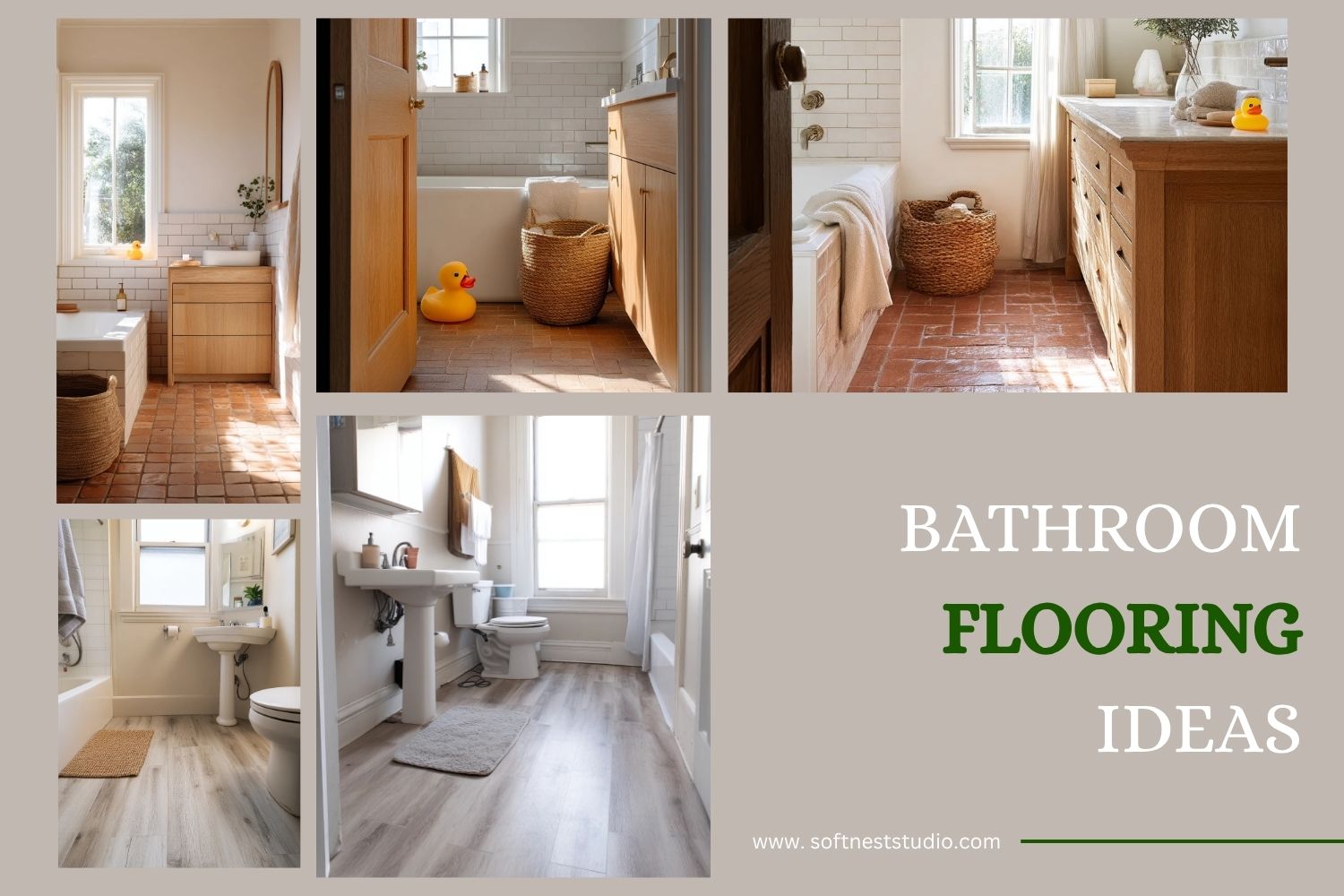
Choosing bathroom flooring is not just about looks. The floor has to handle water, daily traffic, and cleaning without getting slippery or damaged.
This guide shares bathroom flooring ideas you can copy from real, lived-in spaces, from warm terracotta tile to budget vinyl plank and peel-and-stick floors. Each look includes simple styling ideas so your bathroom feels finished, not staged.
You will also get practical notes on durability, grout and maintenance, and what works best in small bathrooms, rentals, family homes, and accessible layouts. Use the tips to plan a floor that fits your life and your budget.
Scroll through each flooring style in order, then check the FAQ near the end to help you decide what to buy and how to install it.
1. Terracotta Tile Floor for a Warm Family Bathroom
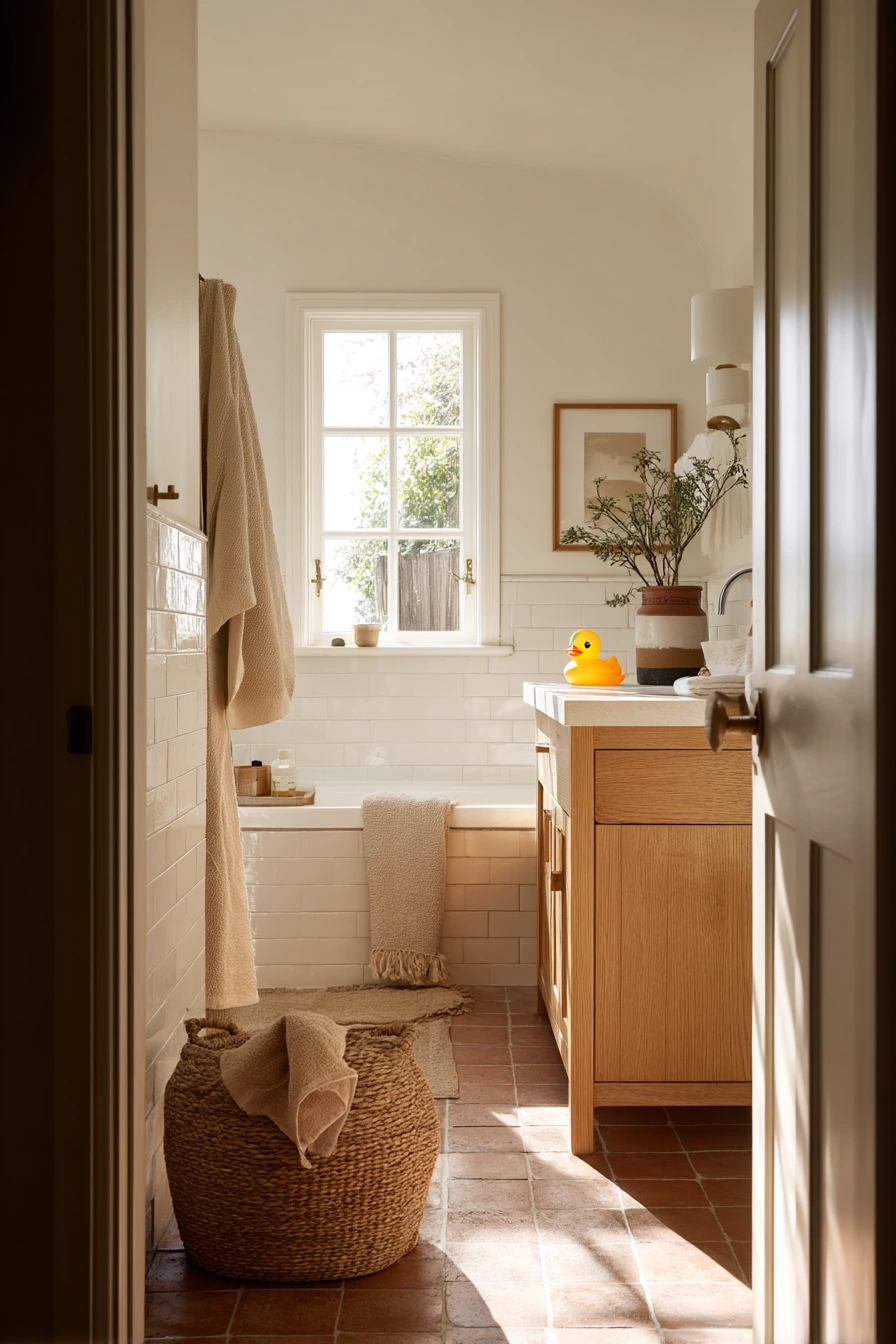
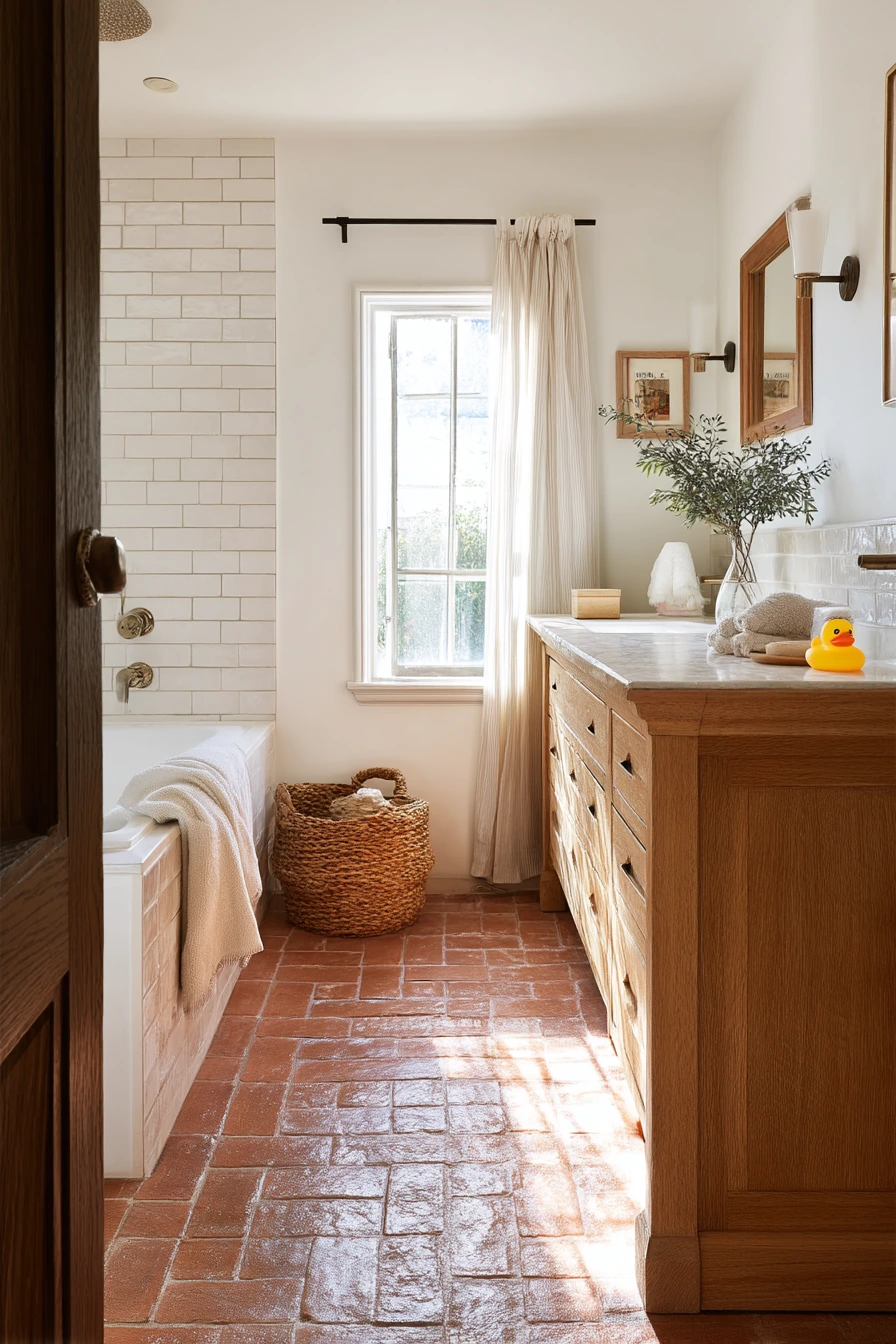
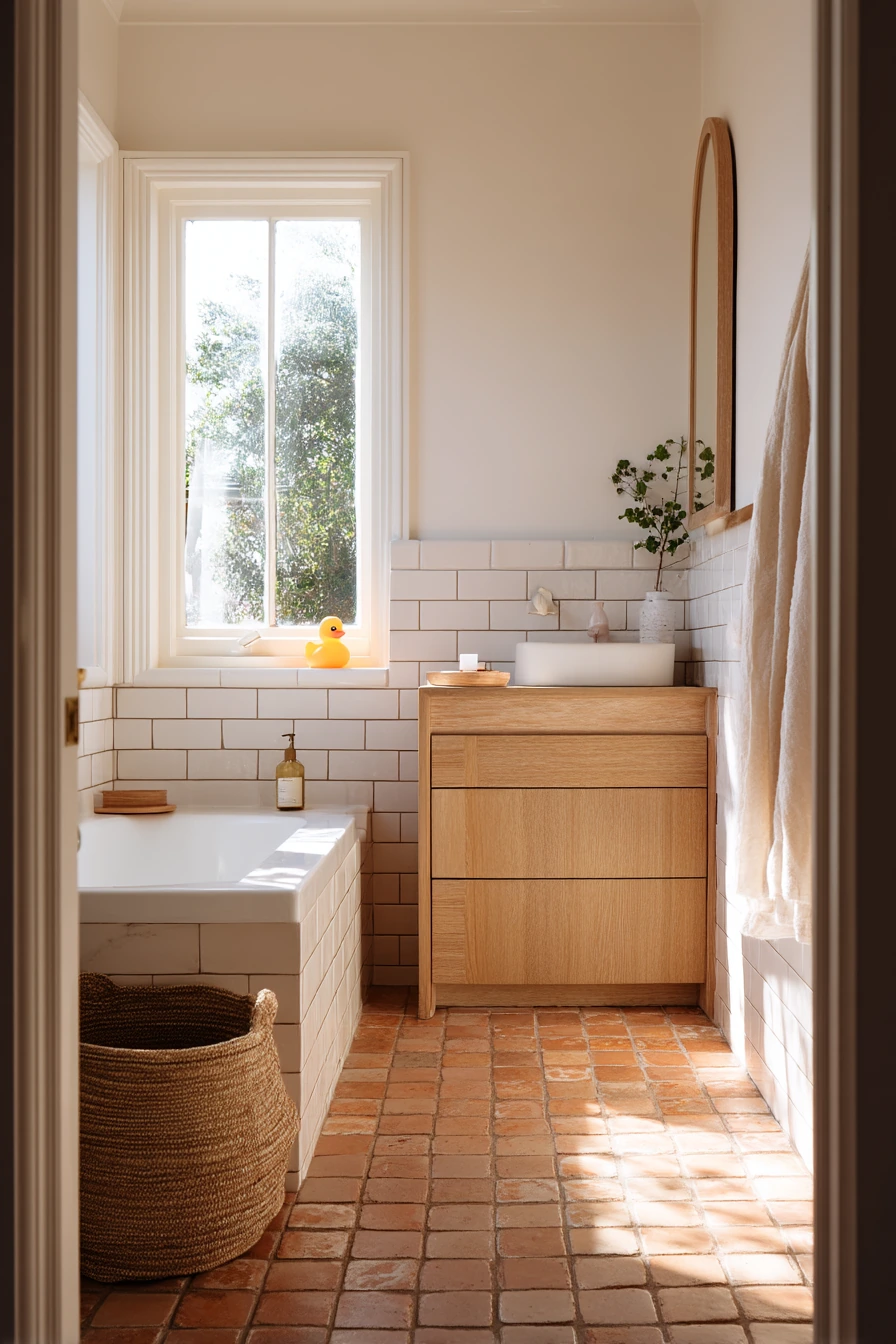
Warm terracotta floor tile is a strong pick for a busy family bathroom because it hides dust, water spots, and daily mess better than bright white floors. With white subway walls and an oak vanity, the clay tone keeps the room grounded and soft, even in morning window light. The look feels real and comfortable, especially when you add lived-in details like a woven laundry basket beside the tub.
Terracotta can be true clay tile or porcelain that looks like it. Real clay has more texture and a matte finish, which can help with slip resistance, but it needs sealing. A terracotta-look porcelain tile is easier to maintain and still gives you that warm, earthy color. Either way, keep grout lines clean and choose a grout shade that blends so the floor looks calm, not busy.
How to style it: repeat the warm tones in small ways. Think oak or walnut shelves, a tan bath mat, and towels in cream, rust, or muted peach. A rubber duck, folded towel, and a bottle of lotion on the tub ledge make the room feel used in a good way. If you like a simple look, keep most items in baskets and trays so the floor stays the star.
- Pick a matte or lightly textured finish for better grip.
- Use a mid-tone grout to avoid showing every mark.
- Add a woven basket to soften the hard surfaces.
- Balance the warmth with crisp white subway tile or paint.
- Wipe spills fast and keep a small rug by the tub.
Pro Design Tip: Run the terracotta tile straight into the tub area and use the same grout color on walls and floor to make the space feel larger and more cohesive.
Budget Considerations: Real terracotta often costs more because of sealing and ongoing care; a terracotta-look porcelain tile can give a similar feel with lower maintenance costs.
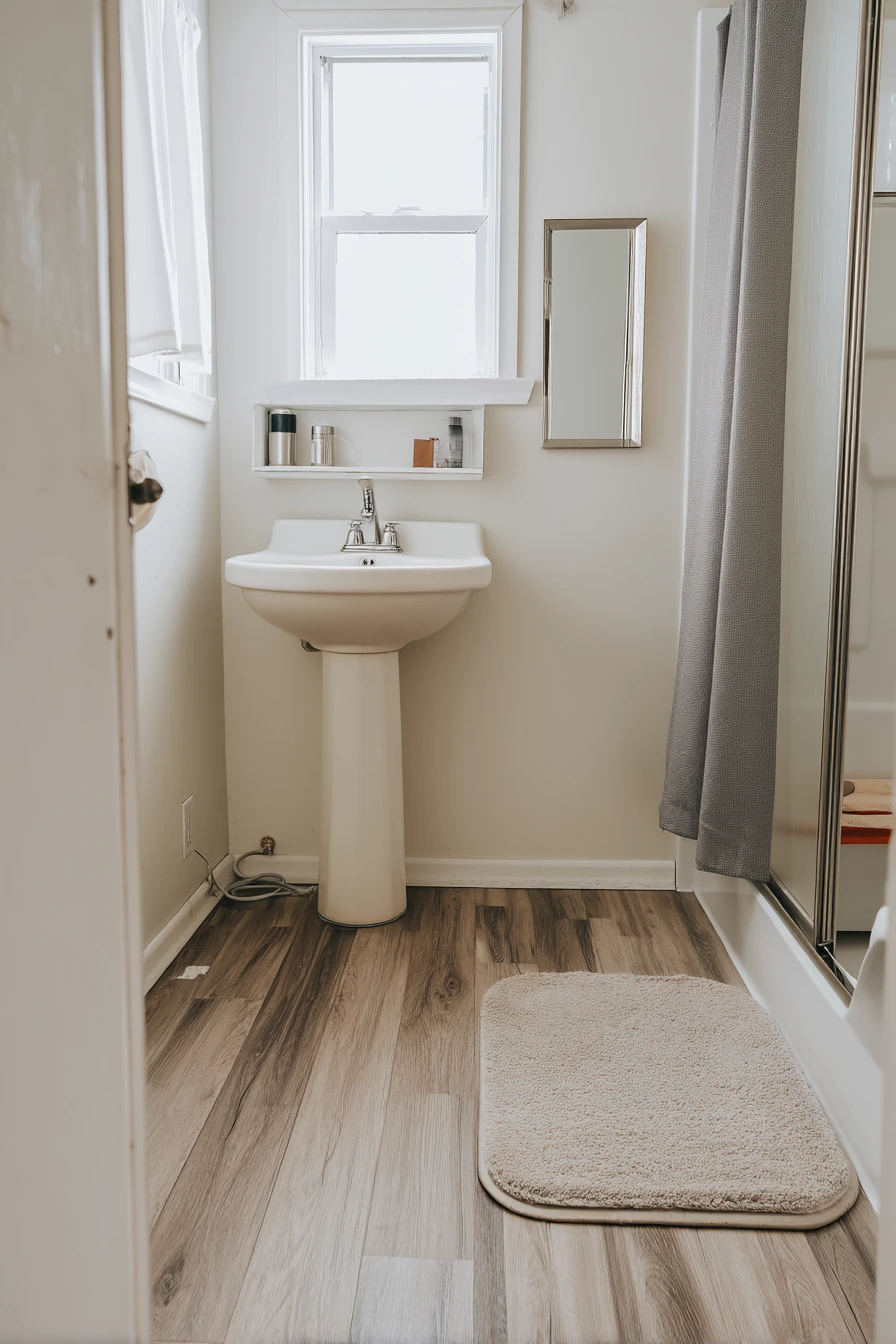
2. Vinyl Plank Flooring for a Small Apartment Bathroom
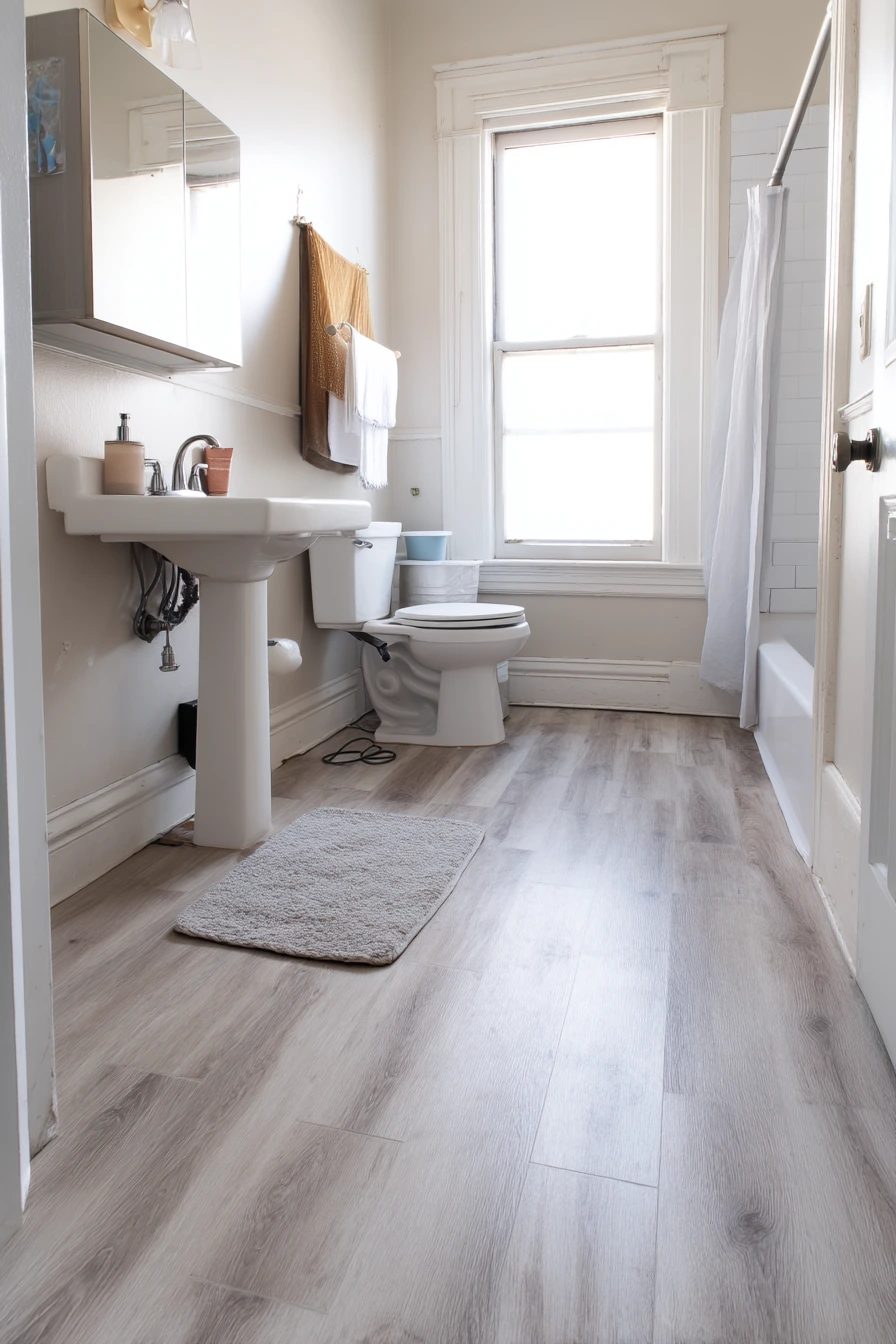
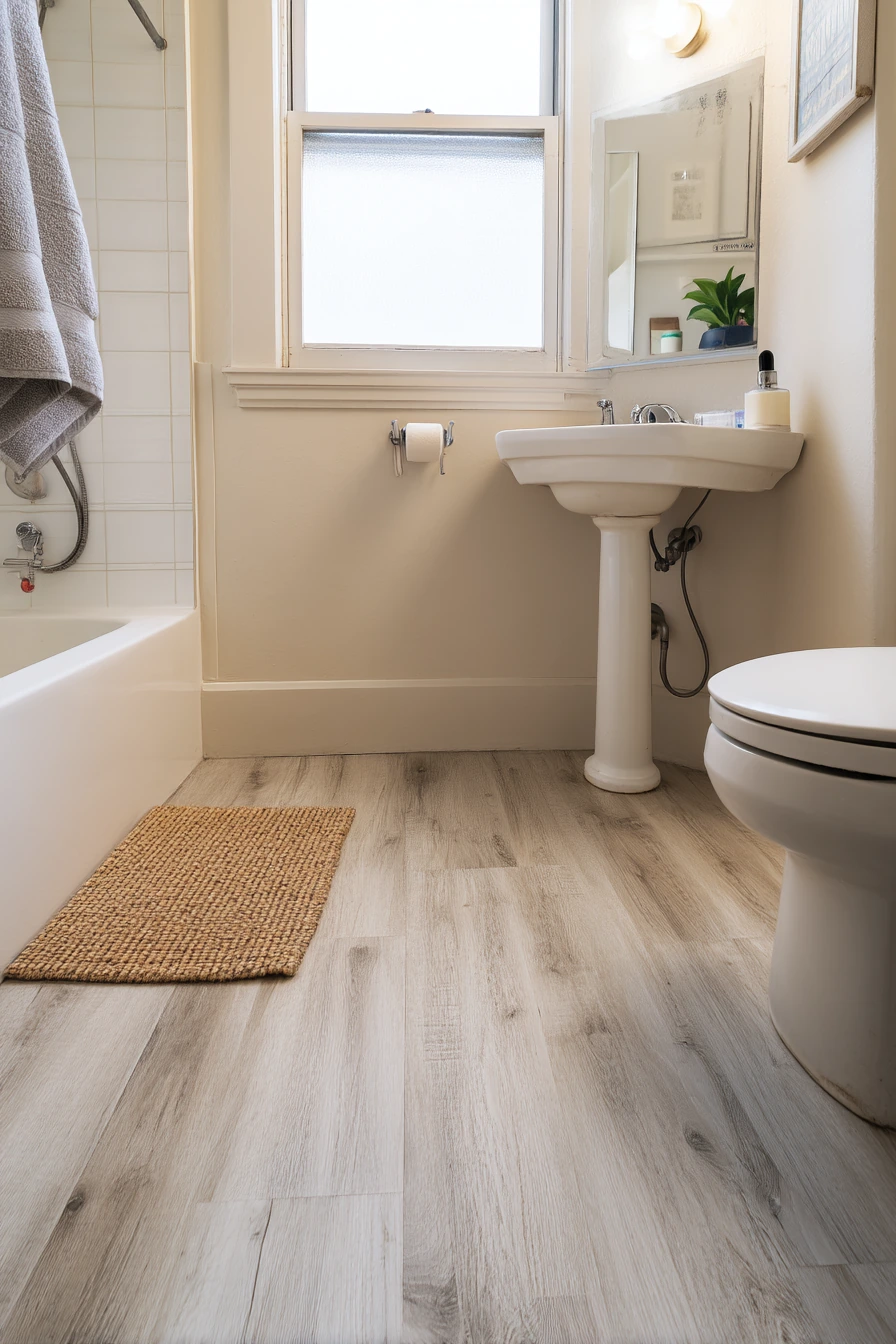
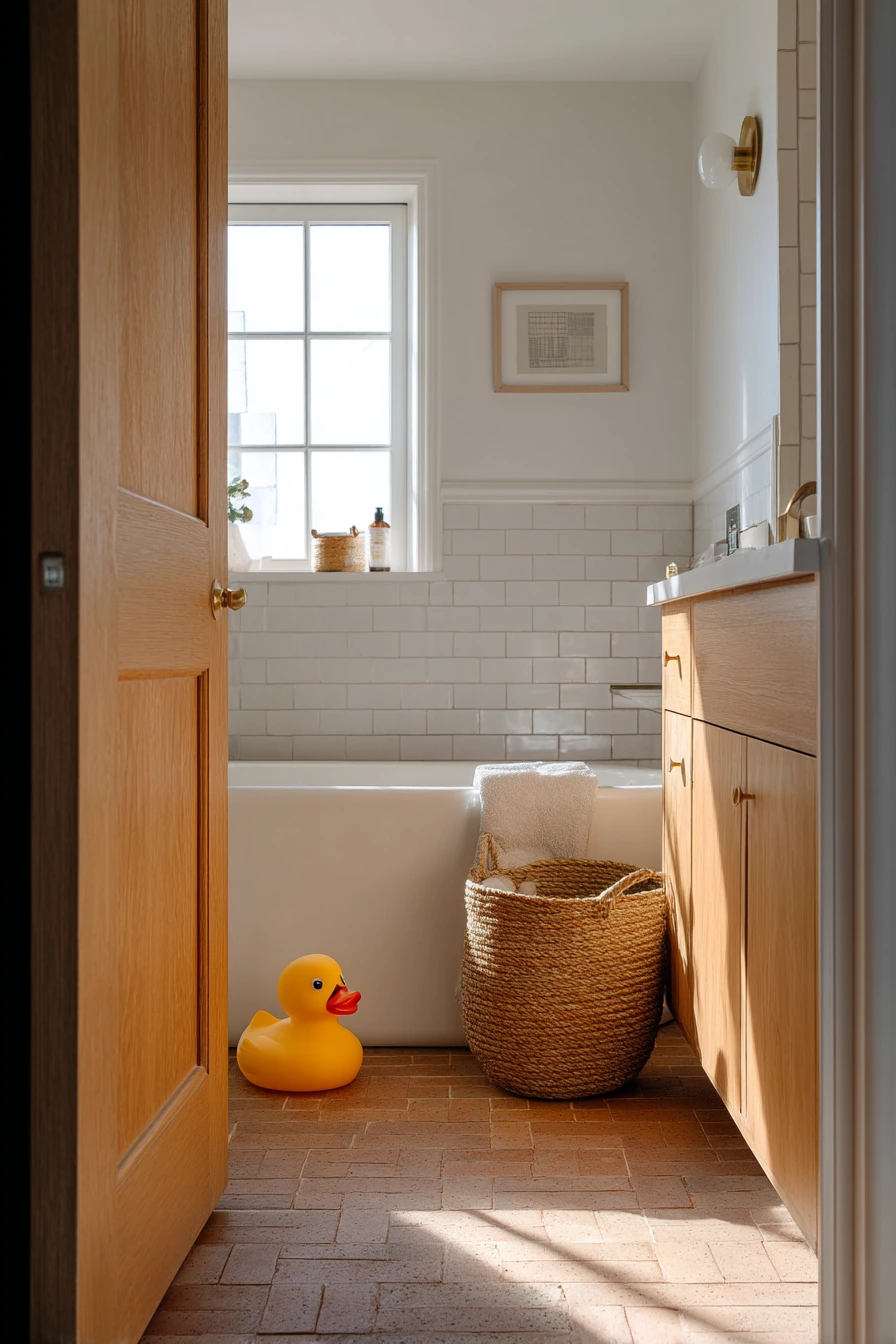
Budget-friendly vinyl plank flooring is one of the easiest bathroom flooring ideas for a small apartment. A light ash finish brightens the room, and the plank pattern can make a tight layout feel longer. With simple chrome fixtures and a compact pedestal sink, the floor becomes the main design feature without adding clutter.
Vinyl works well in bathrooms because it can handle splashes and quick cleanups. Look for waterproof or water-resistant planks with a strong wear layer, and check that the product is rated for bathrooms. In small spaces, keep transitions neat at the doorway so the floor looks intentional, not temporary. A slightly skewed bath mat and a half-open medicine cabinet still feel normal, but the flooring should look clean and level.
How to style it: keep colors light and simple. Use white towels, a pale gray mat, and clear containers so the room feels calm. If your counter gets messy with a charging cable or daily products, add a small tray to corral items. A thin wood stool or a small basket can add warmth without taking up floor space.
- Choose a light ash or beige tone to reflect natural side light.
- Use a slim bath mat so the plank pattern still shows.
- Add a small tray to keep everyday essentials tidy.
- Pick chrome or brushed nickel to match most rentals.
- Seal edges and follow the brand rules for wet areas.
Pro Design Tip: Lay planks in the longest direction of the room to stretch the space visually, and keep the plank width medium so the pattern does not look too busy.
Budget Considerations: Vinyl plank is often cheaper than tile and can be DIY-friendly; factor in underlayment, trim, and adhesive if needed so the total cost stays on track.
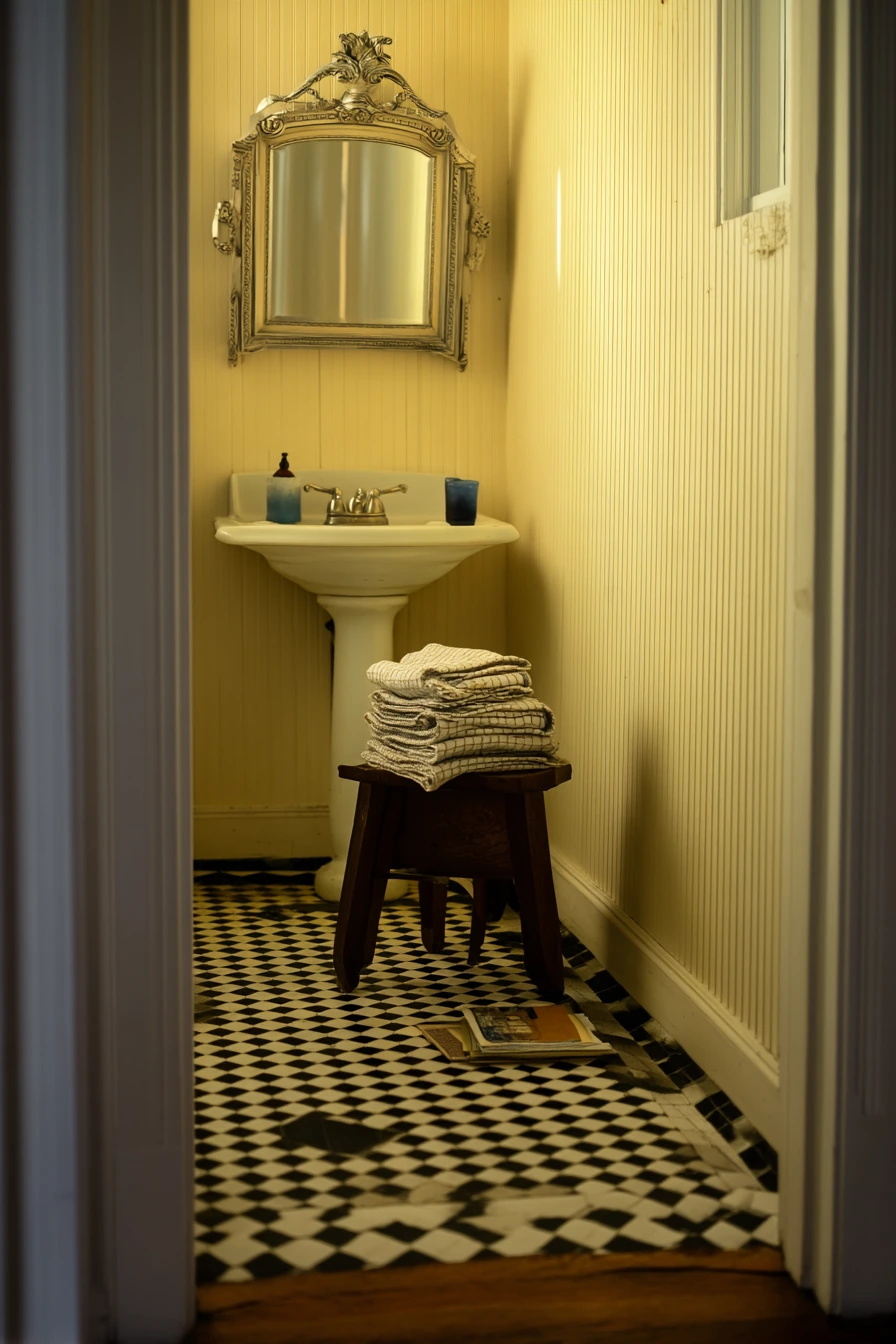
3. Checkerboard Tile Bathroom Flooring for an Older Home
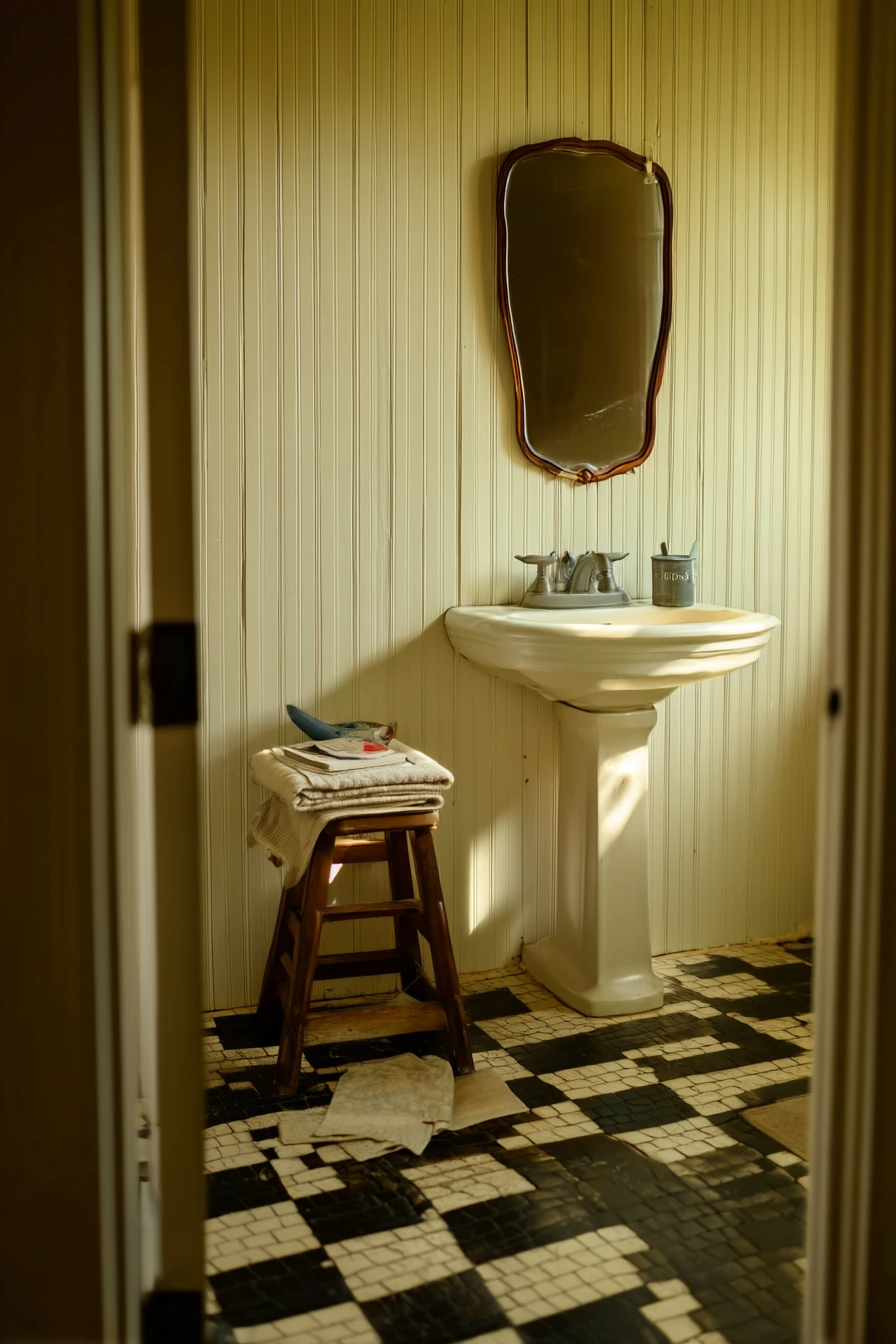
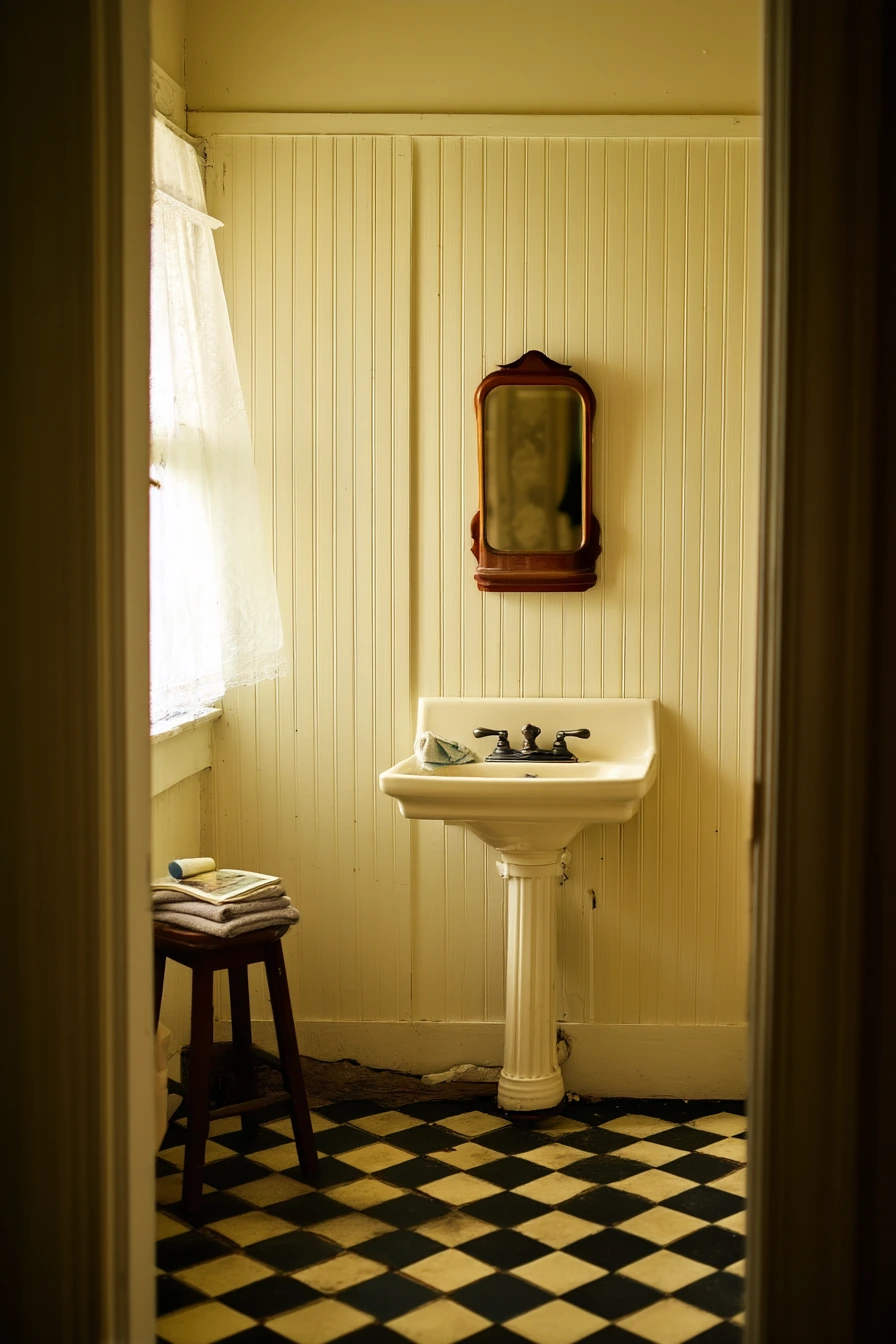
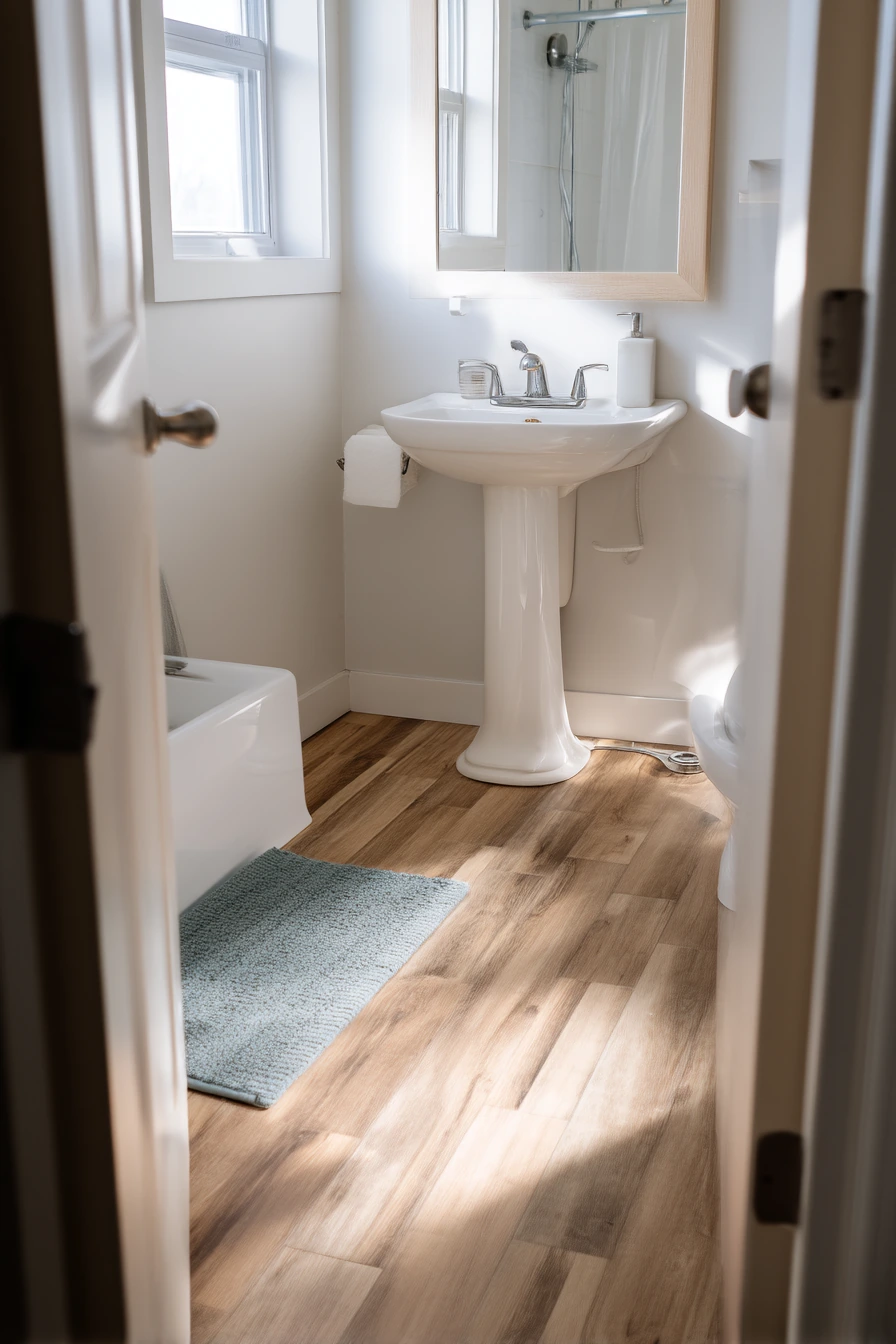
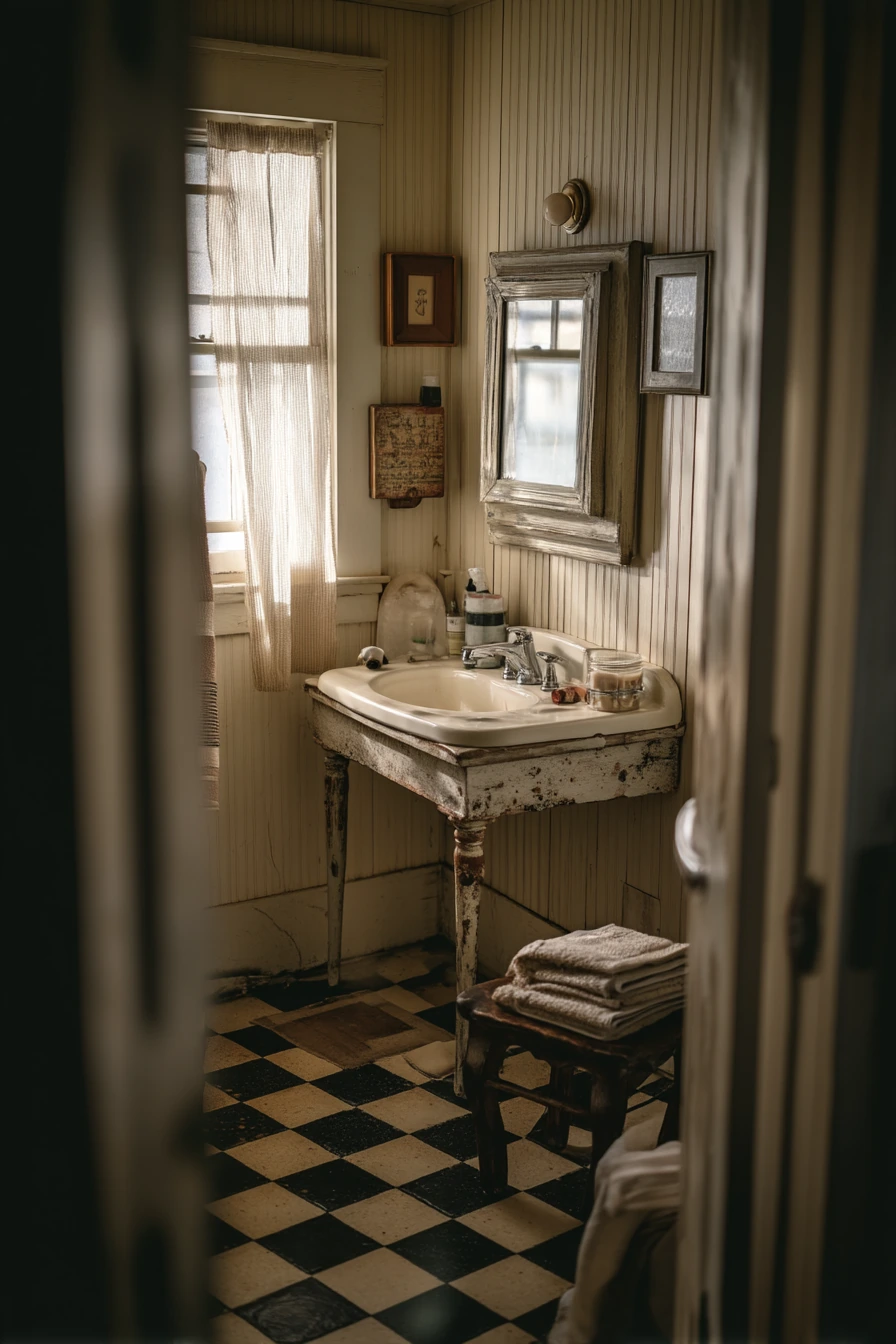
Black-and-cream checkerboard tile flooring gives an older home bathroom instant character. It works well with beadboard walls, a porcelain sink, and a small vintage mirror. The bold pattern adds energy, but it still feels classic, especially in soft late-afternoon window light.
This style can be done with real ceramic tile, porcelain, or even cut sheet vinyl in a checker pattern. Tile is longer lasting, but it adds grout lines that need care. A slightly warm cream, instead of stark white, can make the contrast easier on the eyes. If your bathroom is small, keep the rest of the surfaces simple so the floor does not fight with busy wallpaper or strong paint.
How to style it: add small, cozy items so the bathroom feels welcoming, not like a museum. Fold hand towels in a neat stack, place a toothbrush cup by the sink, and keep one or two personal touches like a paperback on a stool. Use black accents in a few places, like a soap pump or picture frame, to tie into the floor without overdoing it.
- Pick a cream tone that matches your beadboard or wall paint.
- Use satin or matte tile to reduce glare and show less water spotting.
- Keep accessories simple so the floor stays the focus.
- Use a small stool or basket for extra storage.
- Clean grout with a soft brush to keep the pattern crisp.
Pro Design Tip: Use a border tile or center the pattern carefully so the checkerboard lands evenly at the doorway and around the sink, which makes the room feel more polished.
Budget Considerations: A true tile checkerboard can cost more due to labor and grout work; patterned sheet vinyl or vinyl tiles can mimic the look for less.
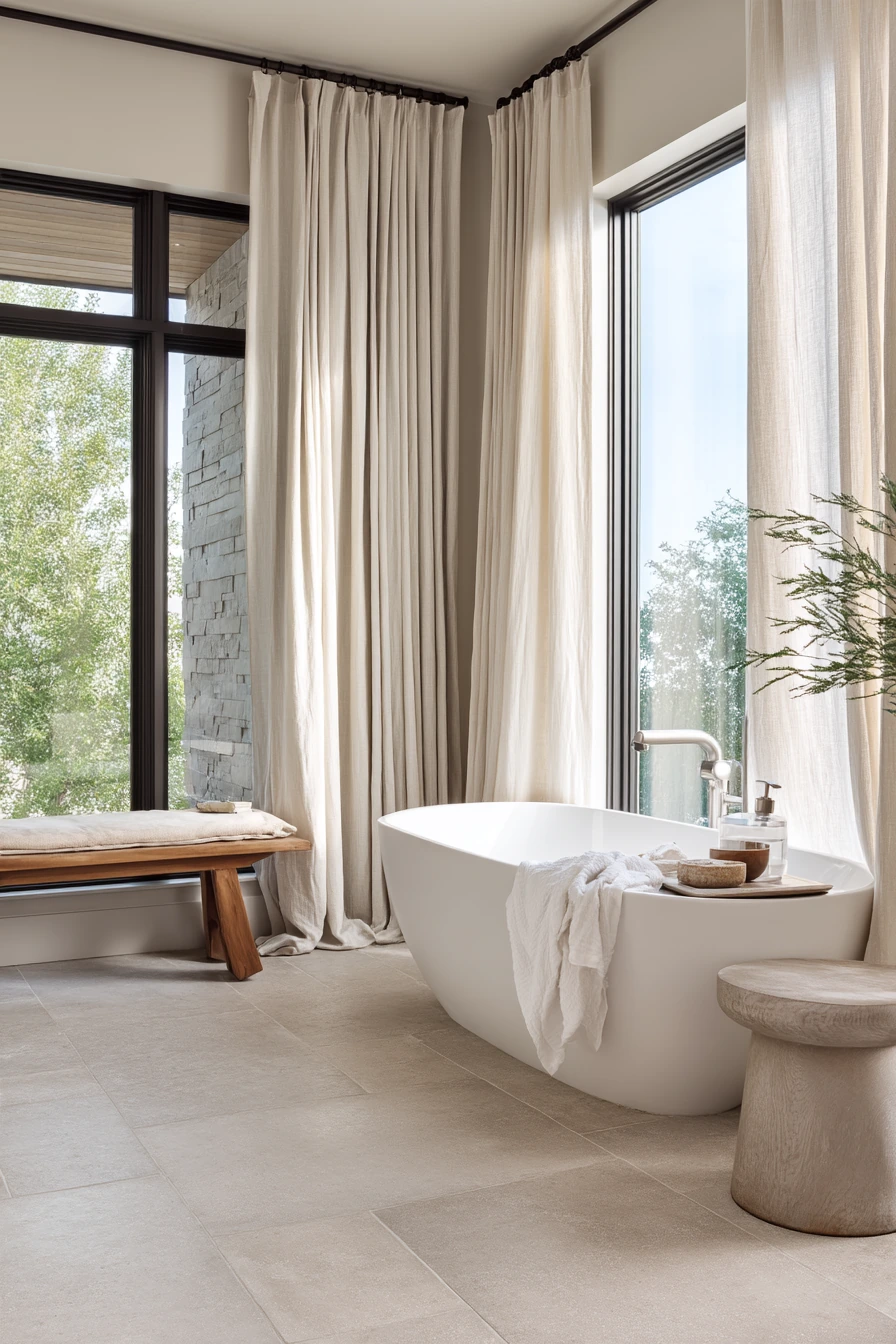
4. Stone-Look Porcelain Floor for a Calm Primary Bathroom
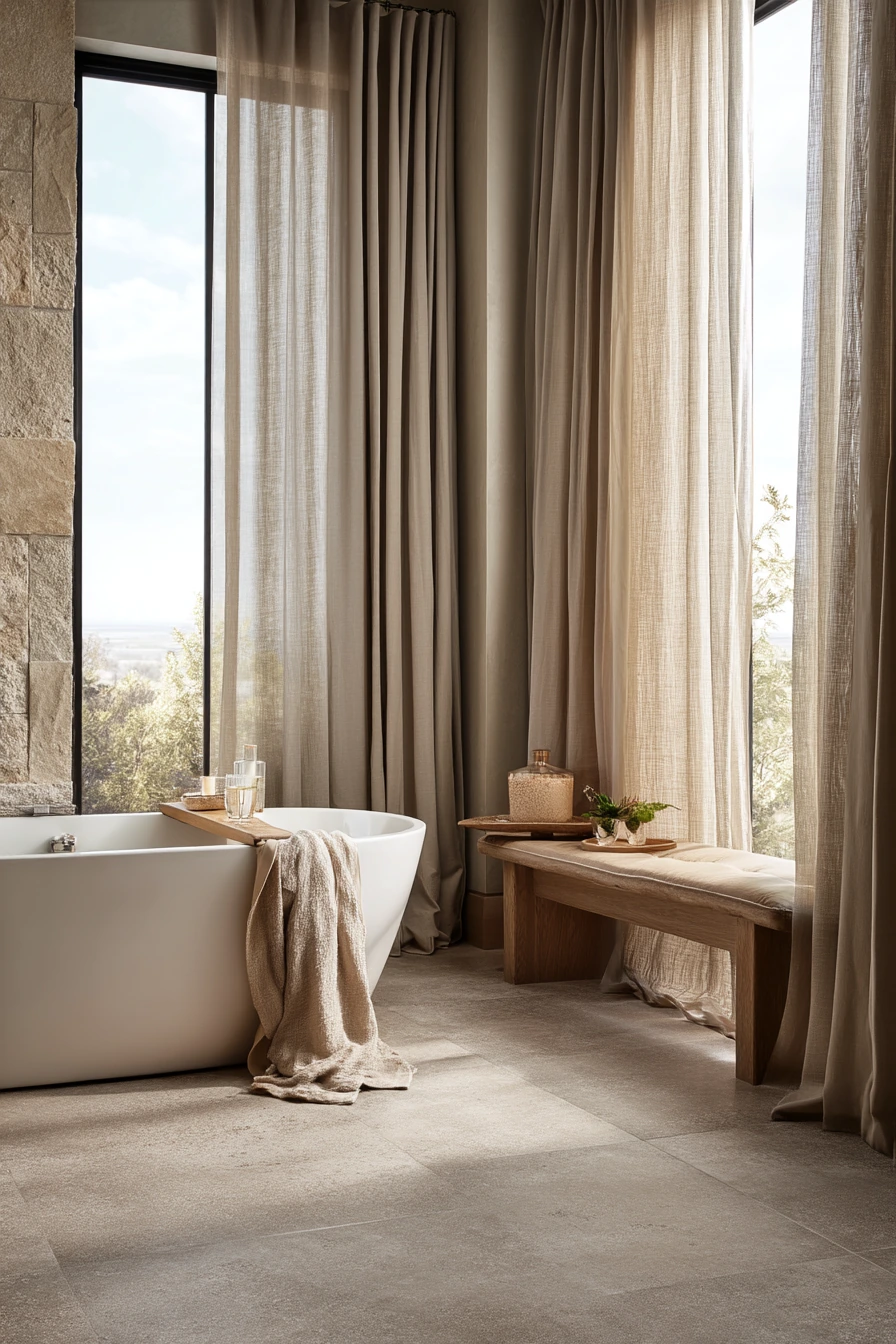
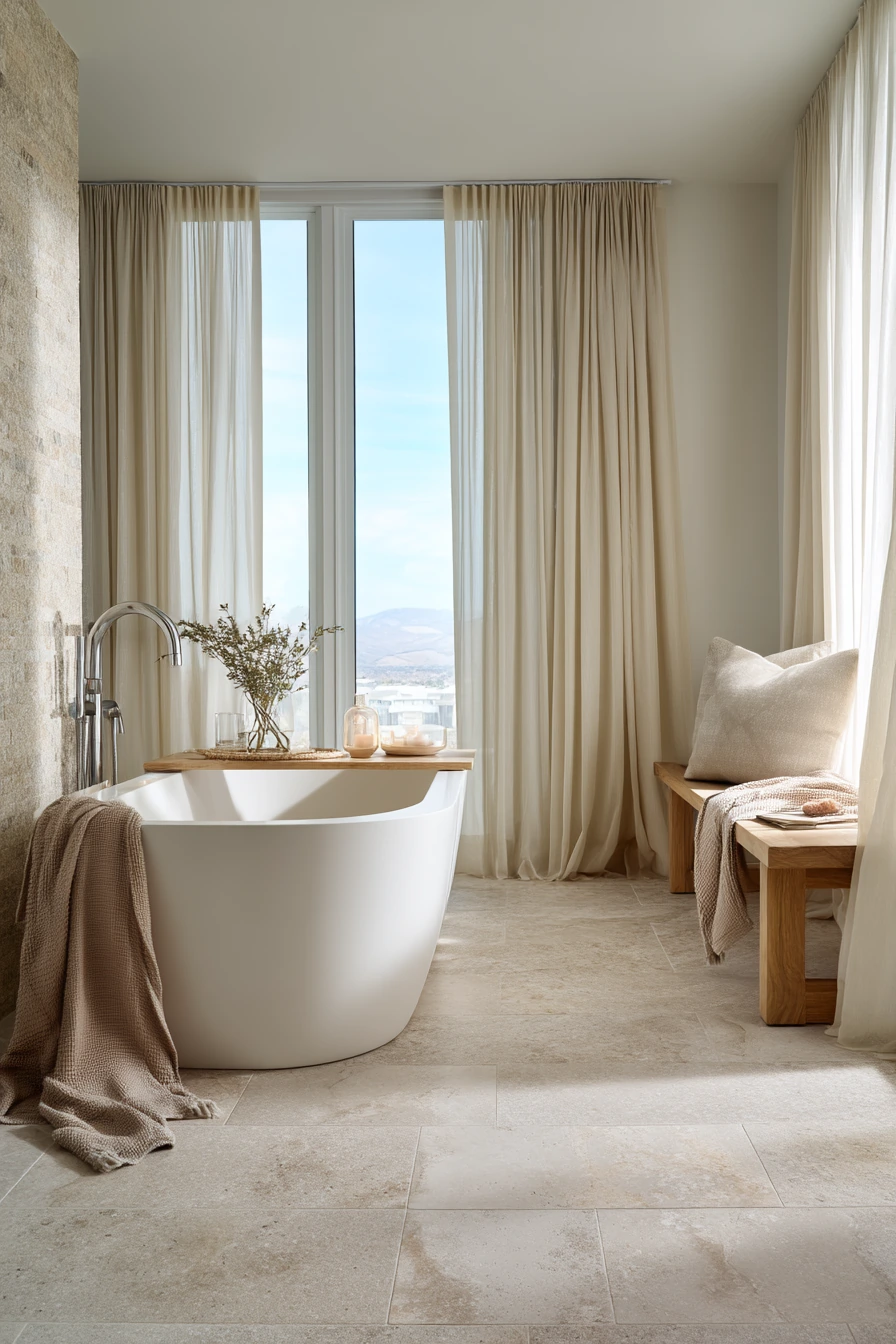
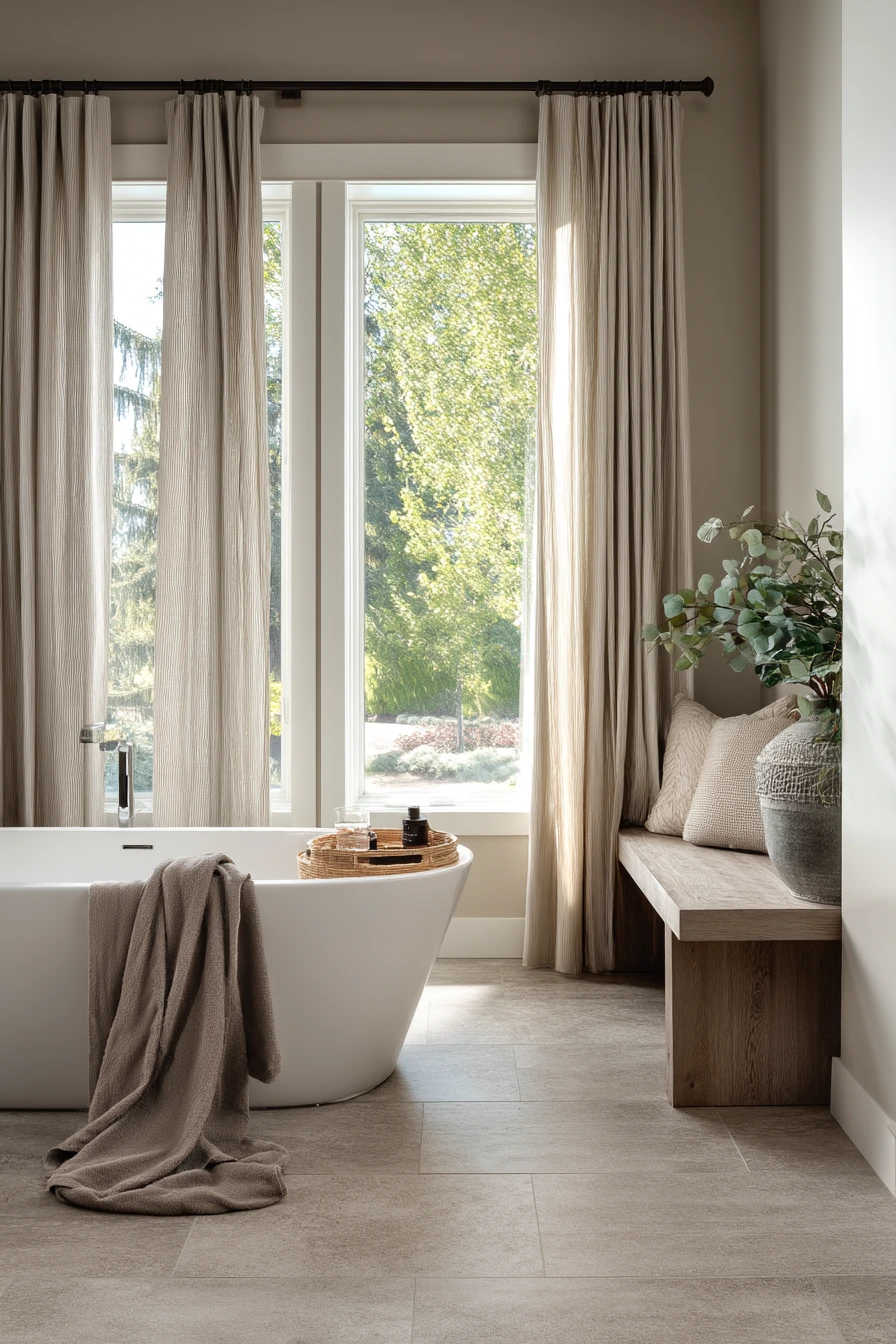
Stone-look porcelain flooring in soft taupe is a safe, timeless choice for a primary bathroom. It pairs well with a freestanding tub, linen curtains, and pale oak accents like a simple bench. The subtle texture adds depth without making the space feel busy, and it looks steady in warm natural light from tall windows.
Porcelain is a top performer in wet rooms because it is dense, durable, and easy to clean. For a realistic stone feel, choose a tile with gentle color variation and a matte finish. Large-format tiles can reduce grout lines, which is helpful in bathrooms where hair and soap residue can collect. If your layout includes a tub tray with a glass of water and bath salts, the floor should be calm and neutral so those details feel spa-like, not cluttered.
How to style it: stay in a soft, natural palette. Think taupe, cream, and light wood. Add one plush white robe on a hook, and keep baskets and storage tones light so the room feels airy. A few small items, like bath salts in a jar, will read as intentional if you group them on a tray and leave the floor mostly clear.
- Choose a matte finish for better slip resistance.
- Use large tiles to cut down on grout maintenance.
- Match grout to the tile for a seamless look.
- Add linen curtains to soften the stone texture.
- Use an oak bench for warmth and function.
Pro Design Tip: Use the same stone-look porcelain on the shower floor or threshold to create one continuous surface, which makes the room feel bigger and more custom.
Budget Considerations: Stone-look porcelain is usually cheaper than real stone and easier to care for; tile size and installation pattern can raise labor costs, so keep cuts simple if you need to save.
5. Peel-and-Stick Terrazzo Tile for a Rental Bathroom Makeover
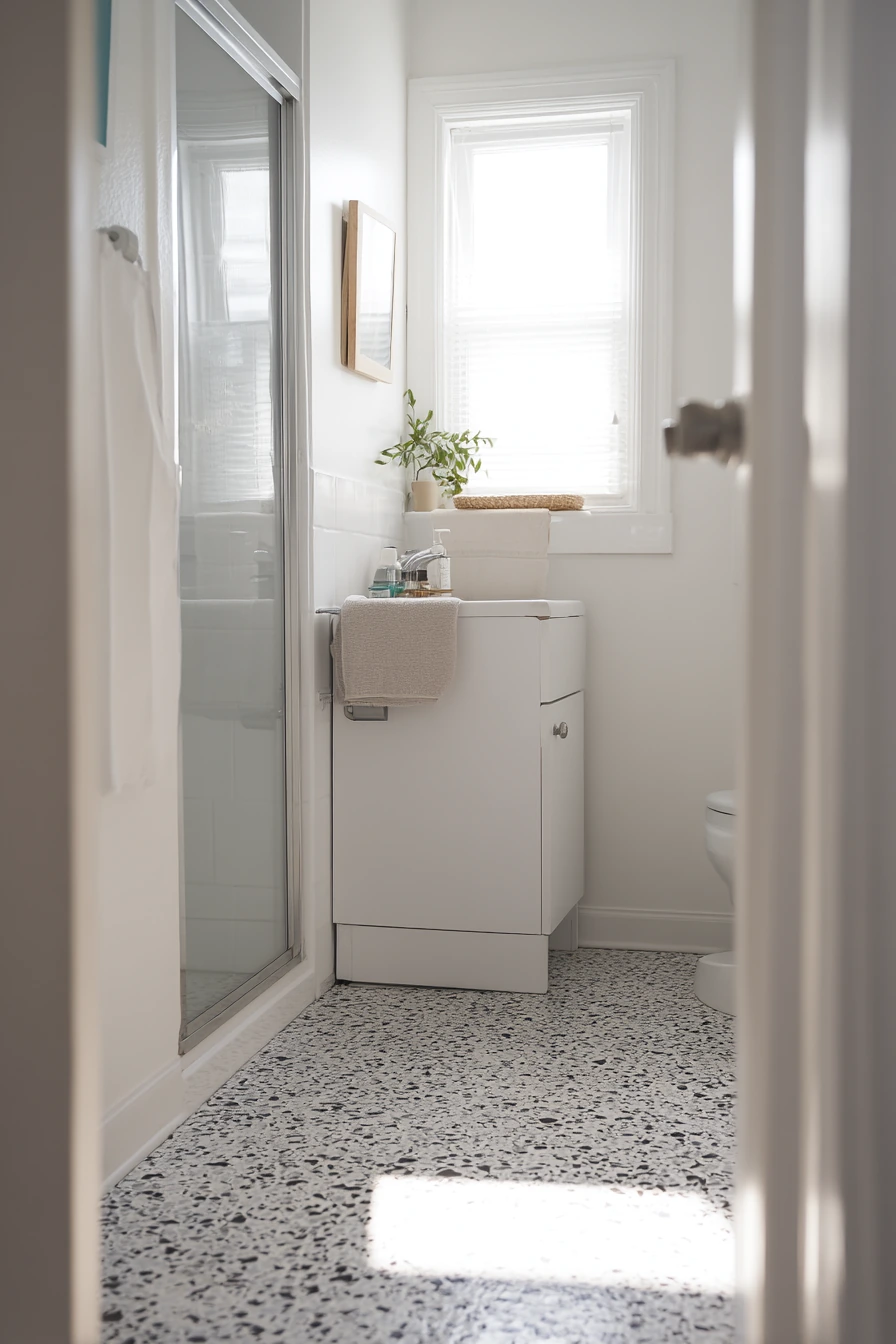
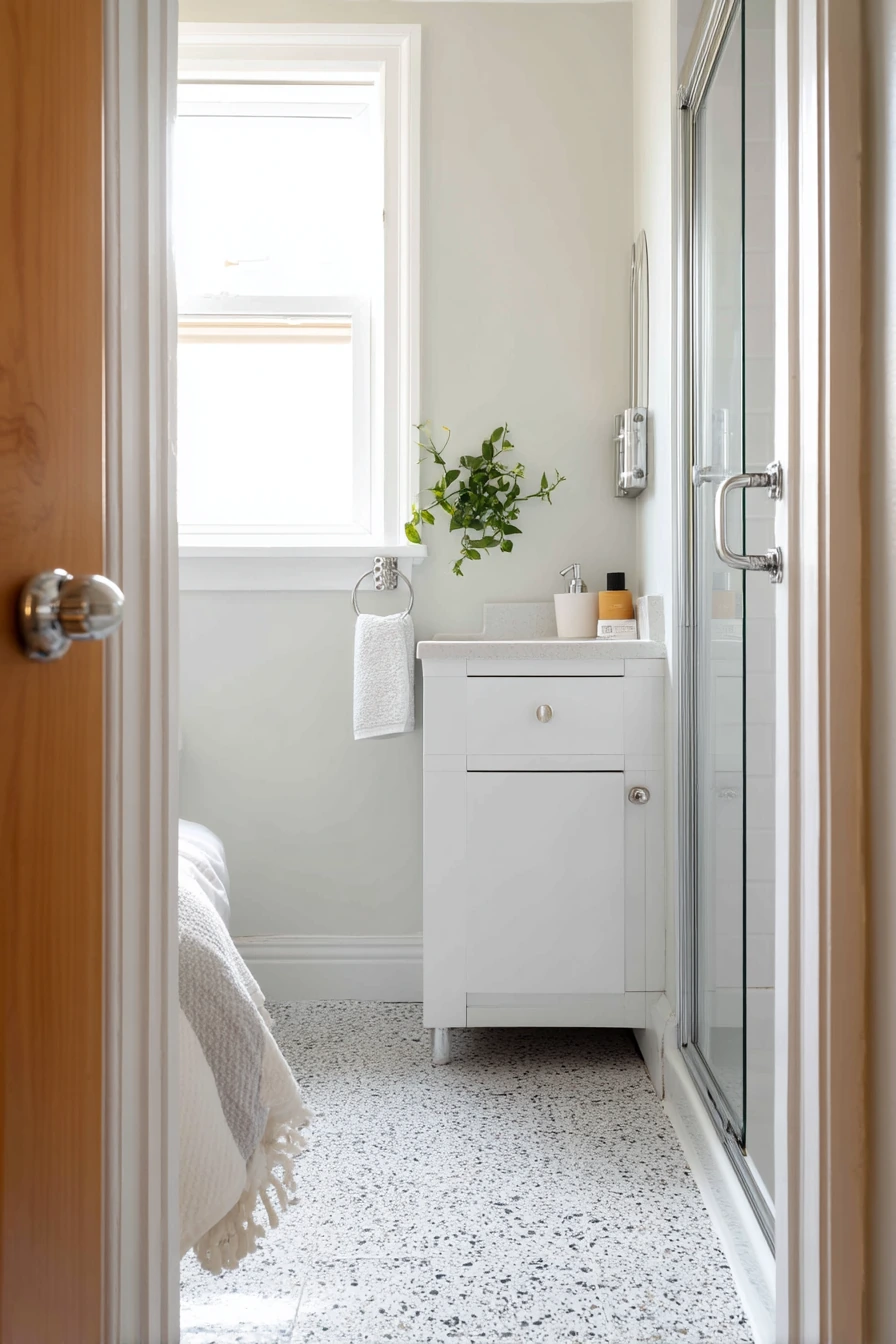
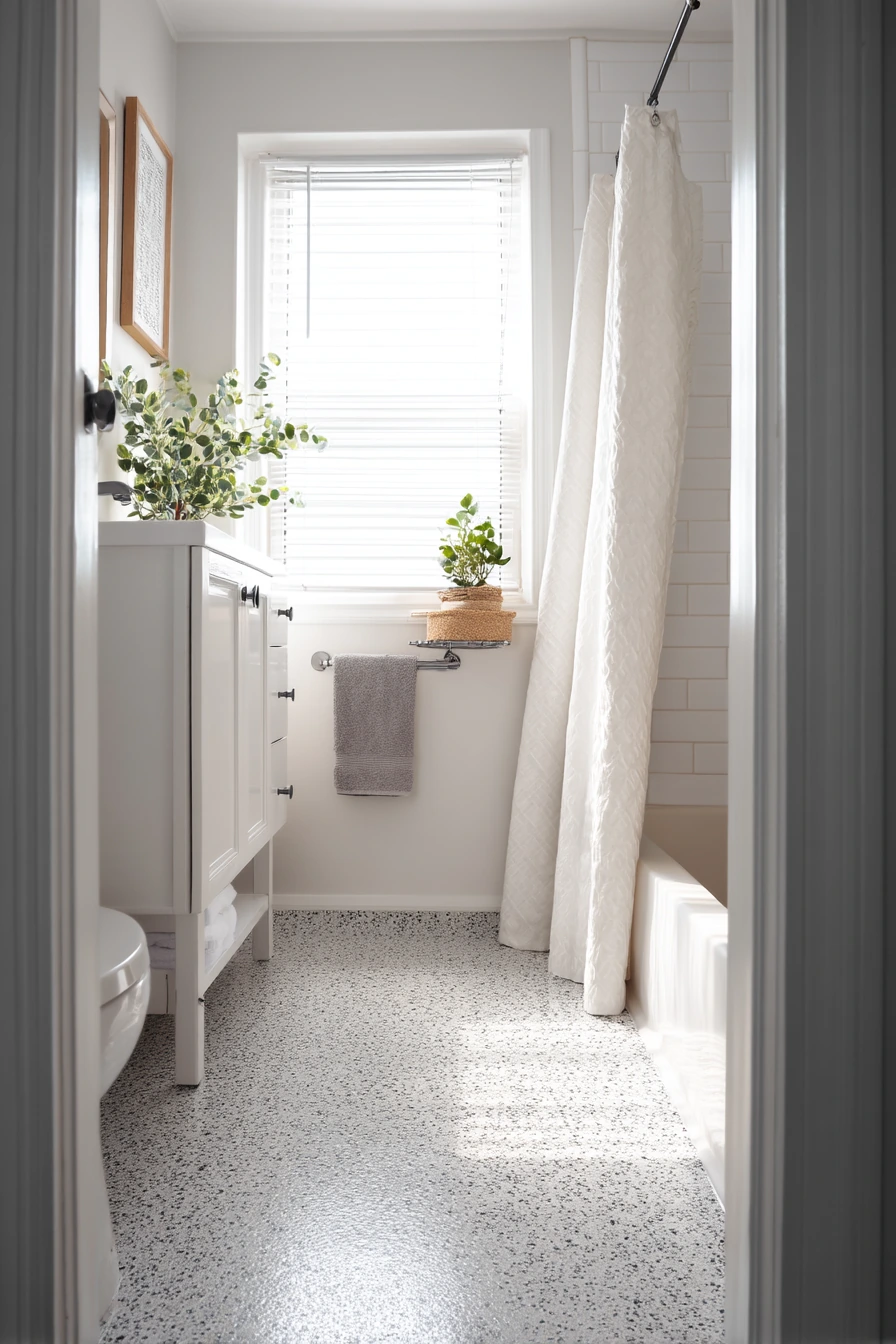
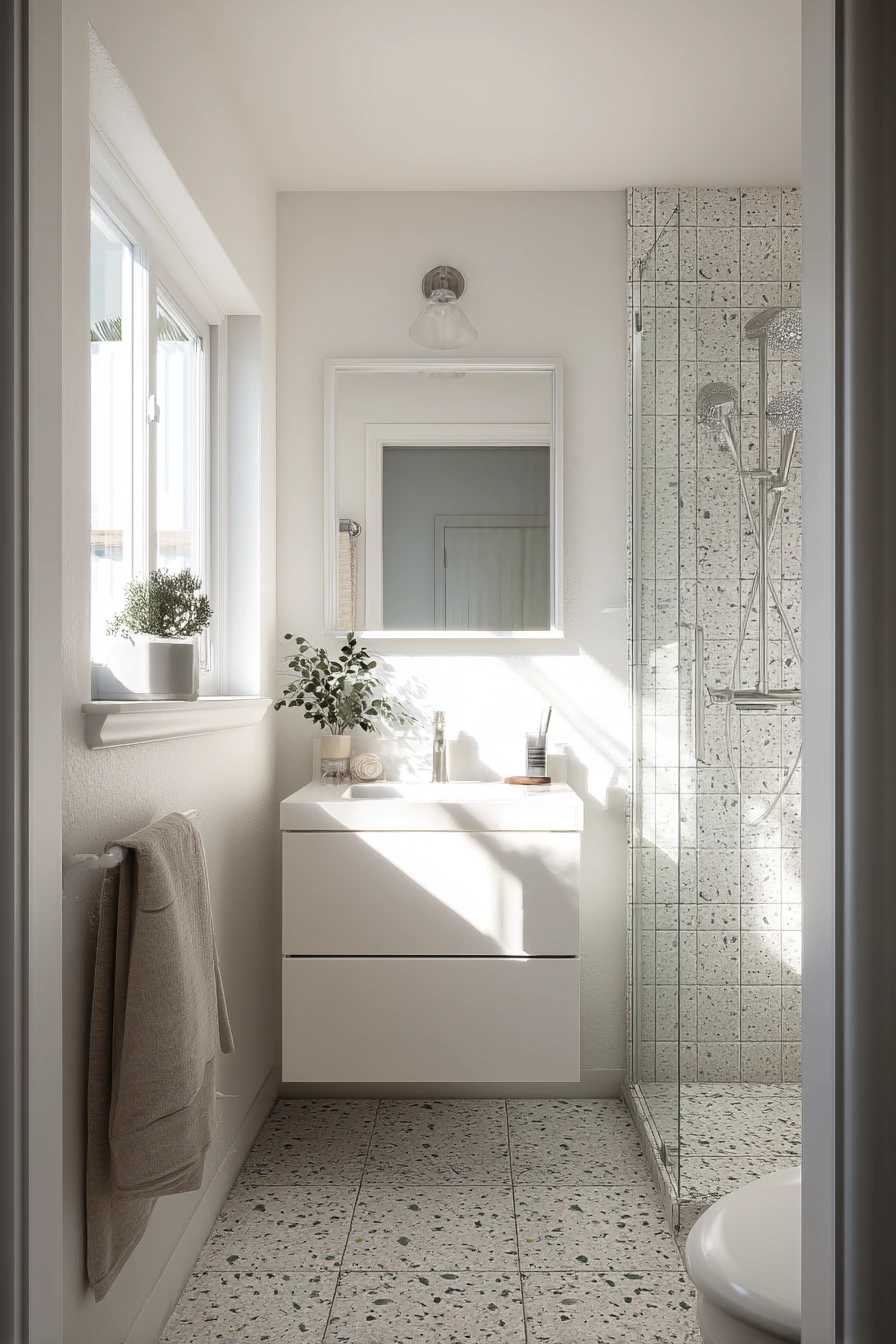
Peel-and-stick floor tiles in a terrazzo-inspired pattern are a smart bathroom flooring idea for renters who want a quick refresh. The pattern adds personality to simple white walls and a compact vanity, and it can hide small bits of dirt better than a solid color. With soft morning light and everyday items like a shower caddy and rolled hand towel, the space still feels practical.
The key to peel-and-stick success is prep. The surface below needs to be clean, flat, and dry. If you lay tiles over old vinyl with deep texture or lifted seams, the new surface may show bumps over time. Take time to measure from the center and keep rows straight so the terrazzo pattern looks neat. Press edges firmly and use a seam roller if you have one. Around the toilet and vanity, make careful cuts so the finish looks intentional.
How to style it: let the terrazzo look be the fun element, then keep decor simple. Add one small plant on the sill, a white shower curtain, and a neutral bath mat. Choose one accent color from the terrazzo flecks, like sage or blush, and repeat it in a hand towel or soap bottle. That small repeat makes the makeover feel planned.
- Clean and degrease the old floor before placing tiles.
- Dry-fit a few rows to check the pattern layout.
- Use a sharp knife and a metal ruler for clean cuts.
- Add a simple white curtain so the floor stands out.
- Keep a plant or one decor item to avoid clutter.
Pro Design Tip: Start your layout at the doorway sightline so the first rows look straight when you walk in, even if you need smaller cuts hidden behind the toilet.
Budget Considerations: Peel-and-stick is low cost and fast, but it may not last as long as tile; buy an extra box for future repairs and check your lease rules before installing.
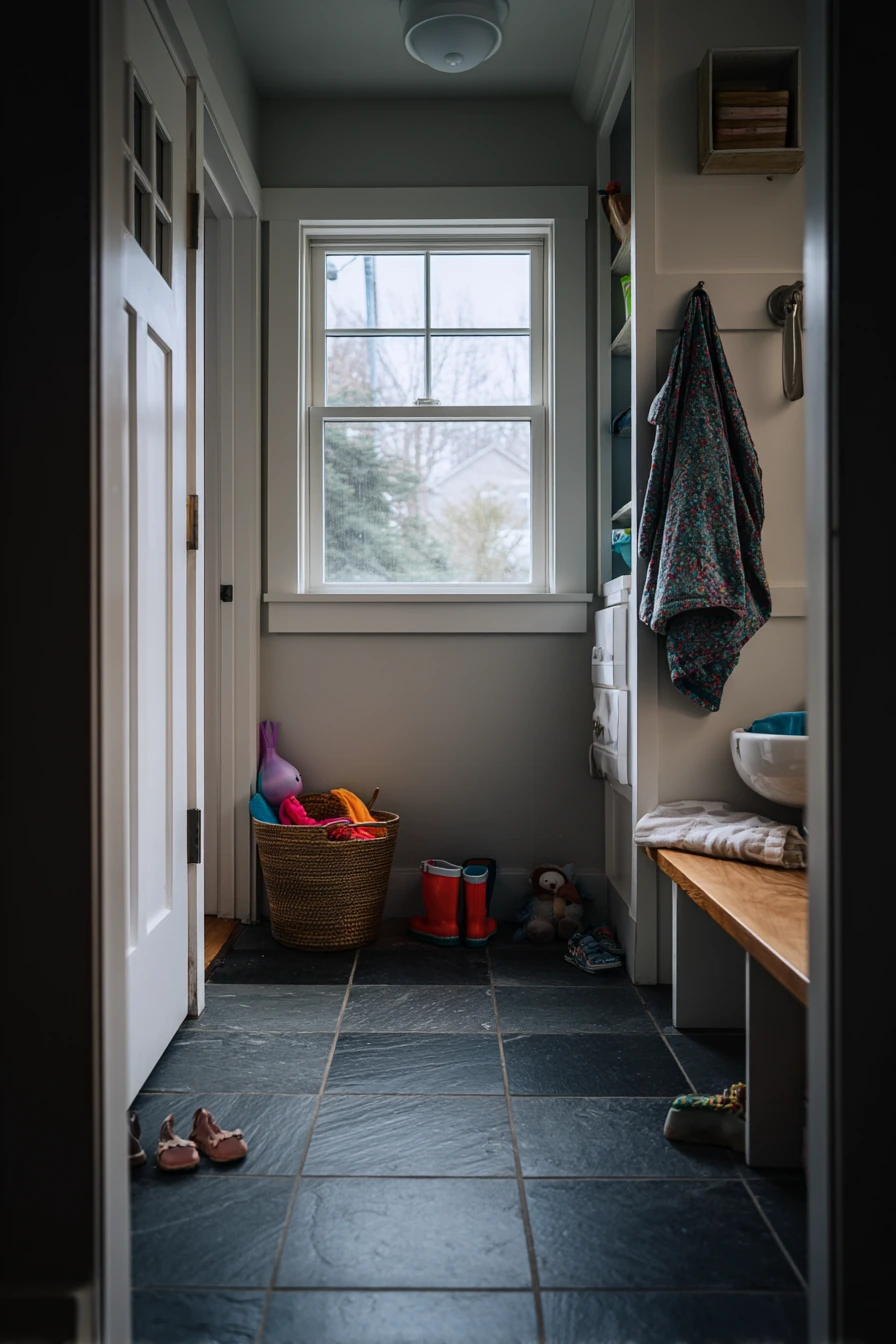
6. Dark Slate Tile Flooring for a Durable Kids’ Bathroom
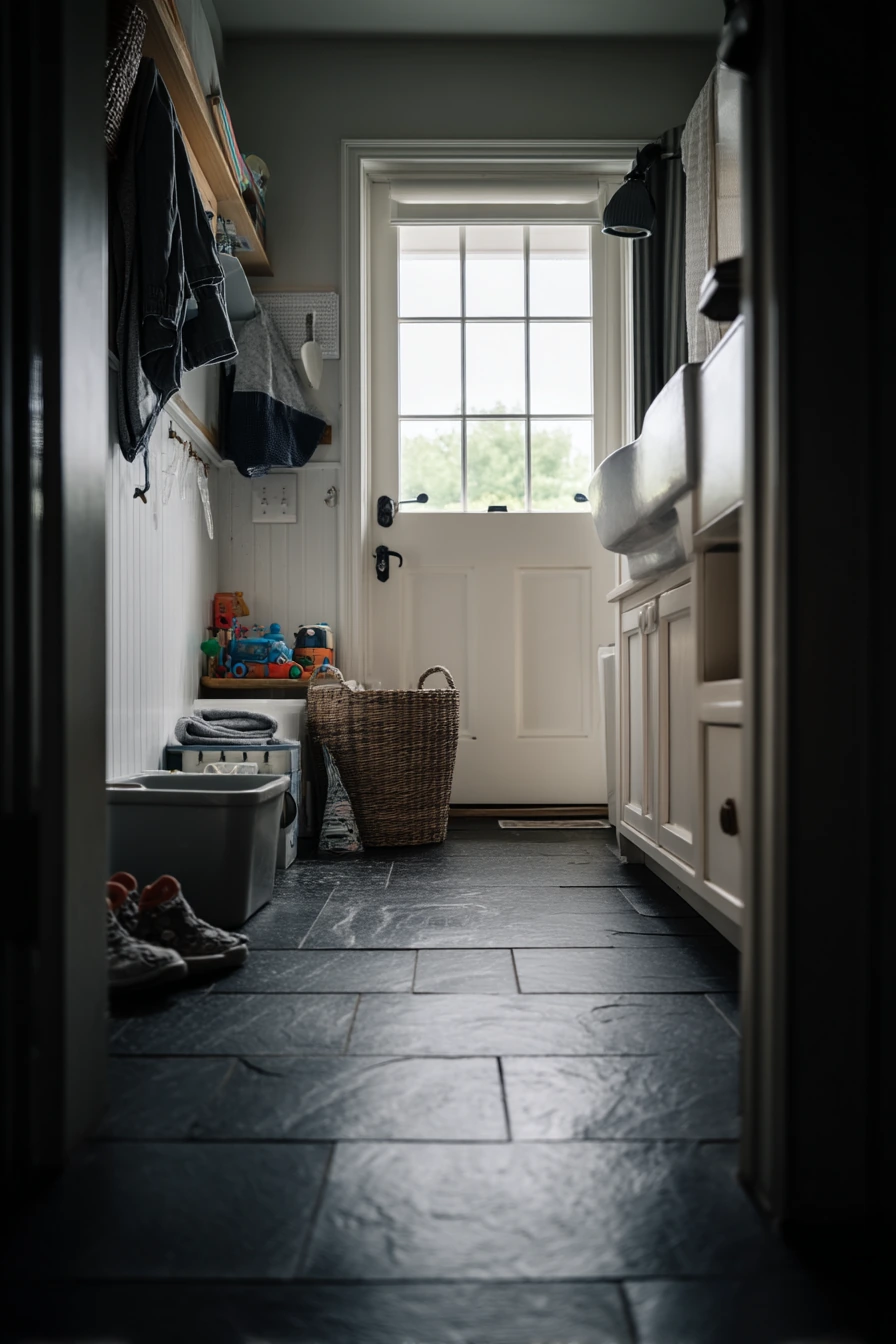
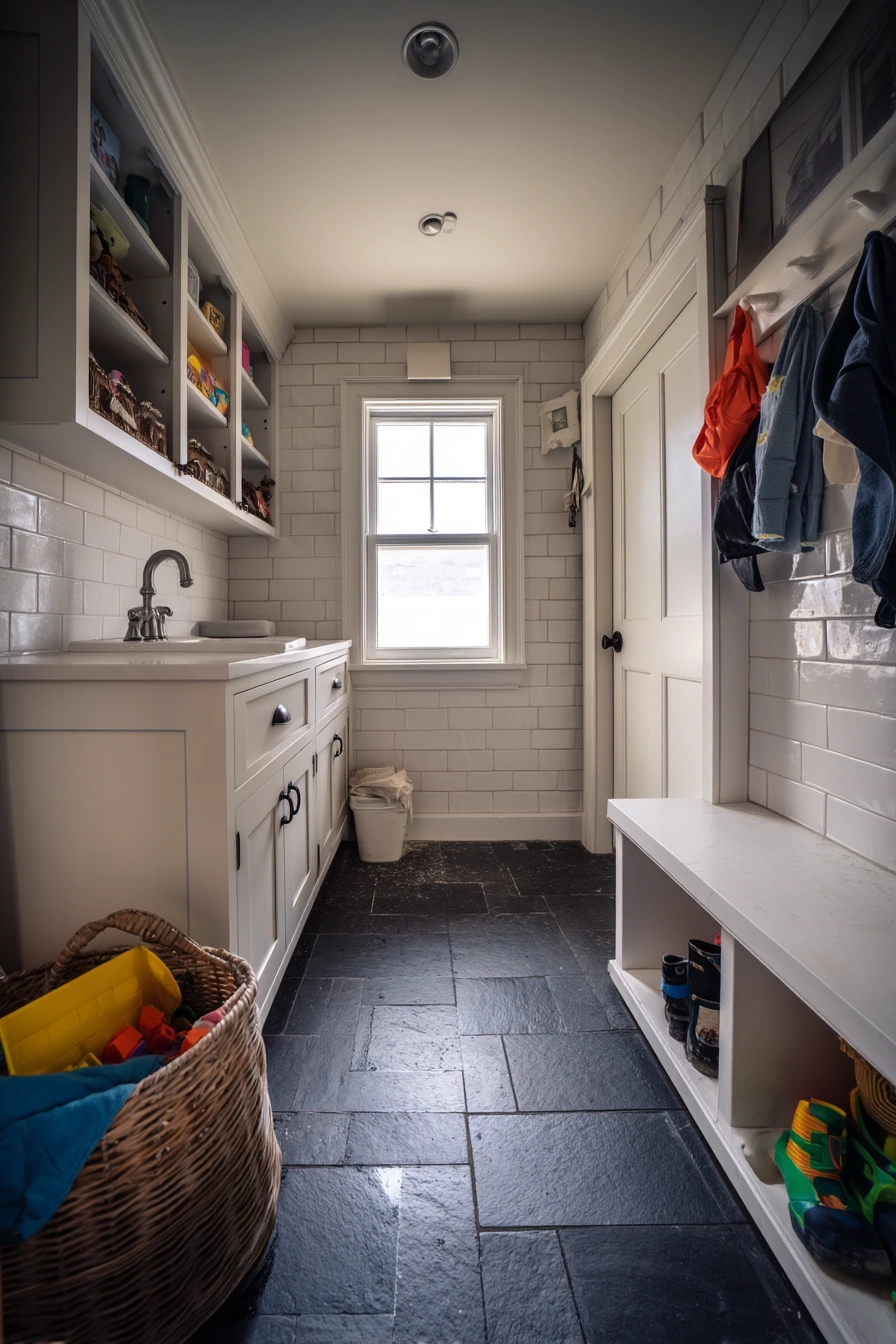
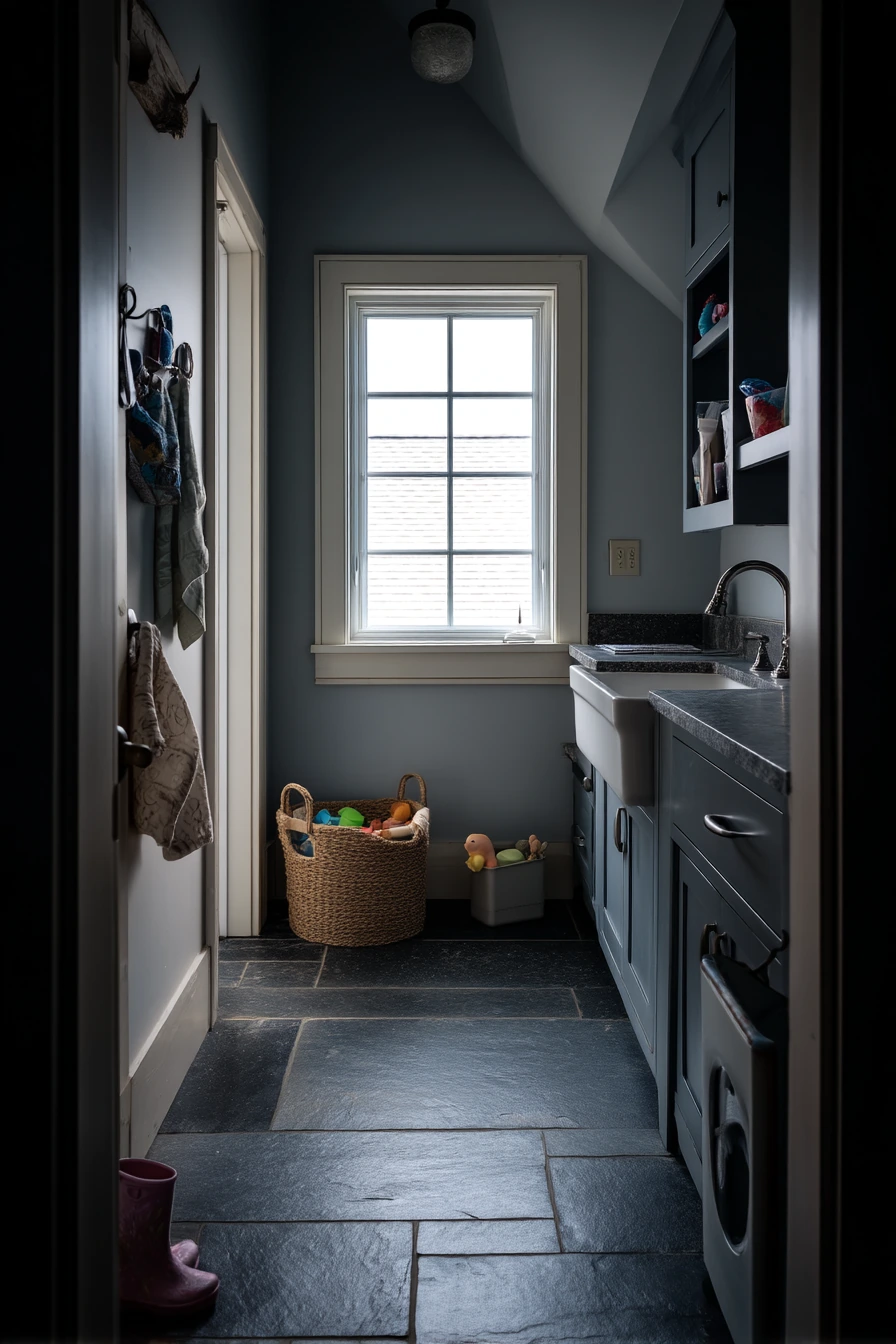
Dark slate floor tile is a strong fit for a hardworking kids’ bathroom. It can handle muddy sneakers by the door, damp towels on the floor, and constant traffic. The deeper color hides many scuffs and stains, and the textured look feels sturdy in gentle overcast daylight.
Slate can be real stone or a slate-look porcelain tile. Real slate has natural clefts that add grip, but it can need sealing and more careful cleaning. Slate-look porcelain is often easier and more consistent. In a kids’ space, grip matters, so avoid polished finishes. Pair the floor with built-in storage and a deep sink so cleanup is easy. A toy basket and hooks for towels can keep the floor clear and safer.
How to style it: use simple, washable pieces. Pick a striped or solid bath mat that can go in the laundry. Add bins that slide into open shelves, so kids can put items away fast. To keep the room from feeling too dark, use lighter walls, a bright shower curtain, and warm wood accents like a small stool. Even one framed print can soften the look without adding clutter.
- Choose a textured surface to reduce slipping.
- Use medium-dark grout to hide everyday dirt.
- Add hooks and baskets to keep towels off the floor.
- Balance dark tile with light paint and bright lighting.
- Use washable mats and keep a quick-dry towel handy.
Pro Design Tip: Install a floor warming mat under slate-look porcelain if your climate is cold, since dark tile can feel chilly under bare feet.
Budget Considerations: Real slate can be pricey and may need sealing; slate-look porcelain gives the same mood with easier maintenance and often a lower overall cost.
7. Light Wood-Look Tile Flooring for an Airy Coastal Ensuite
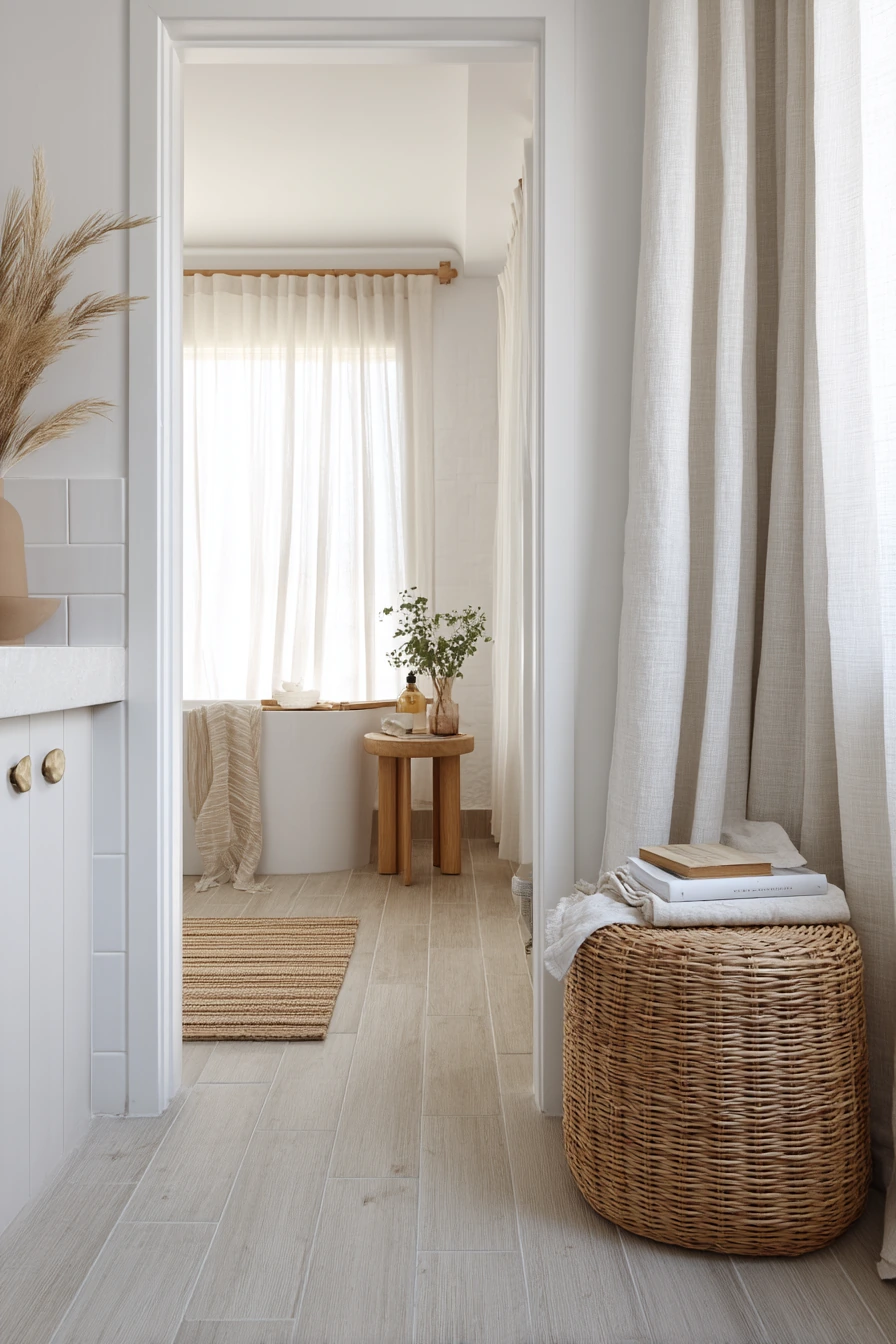
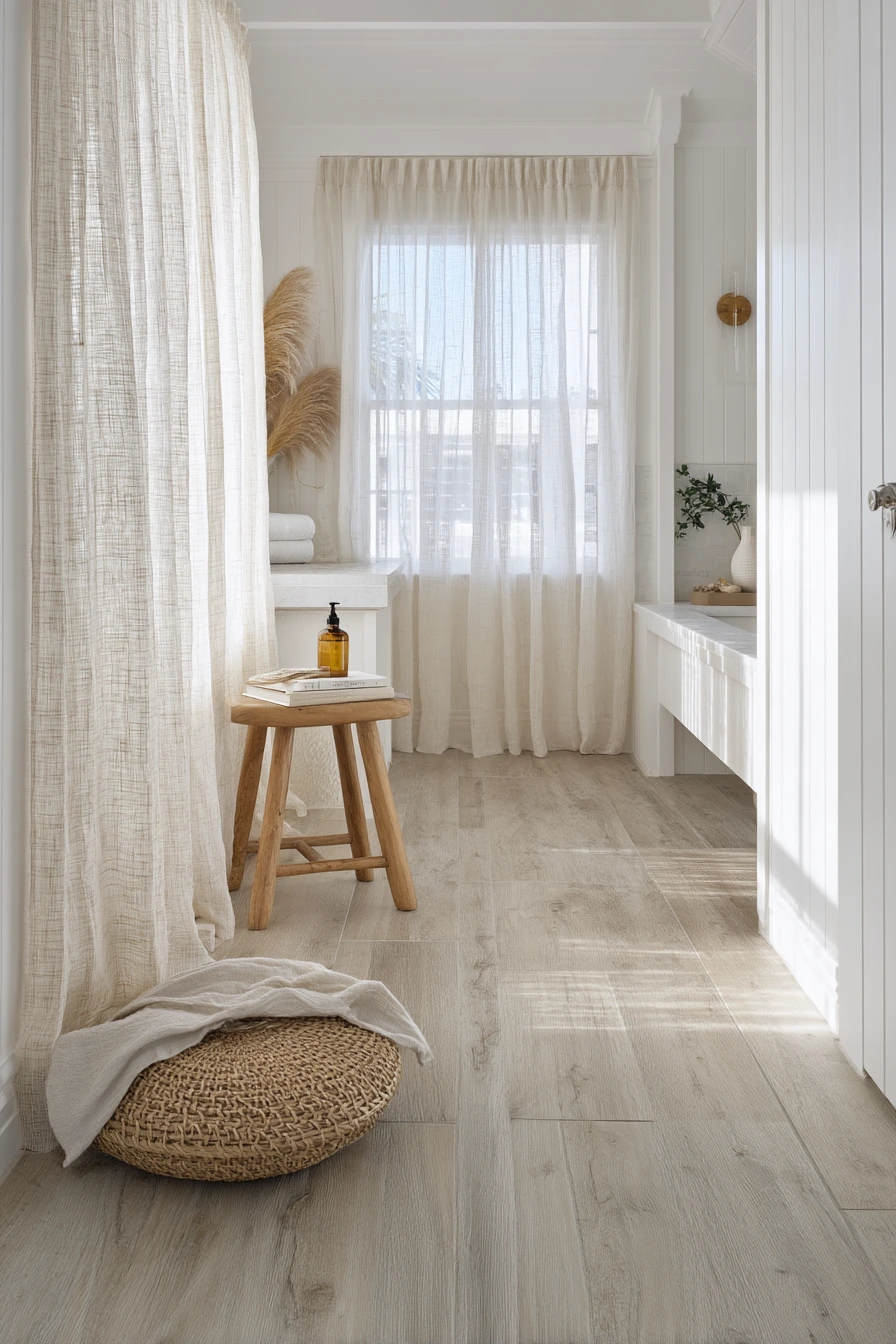
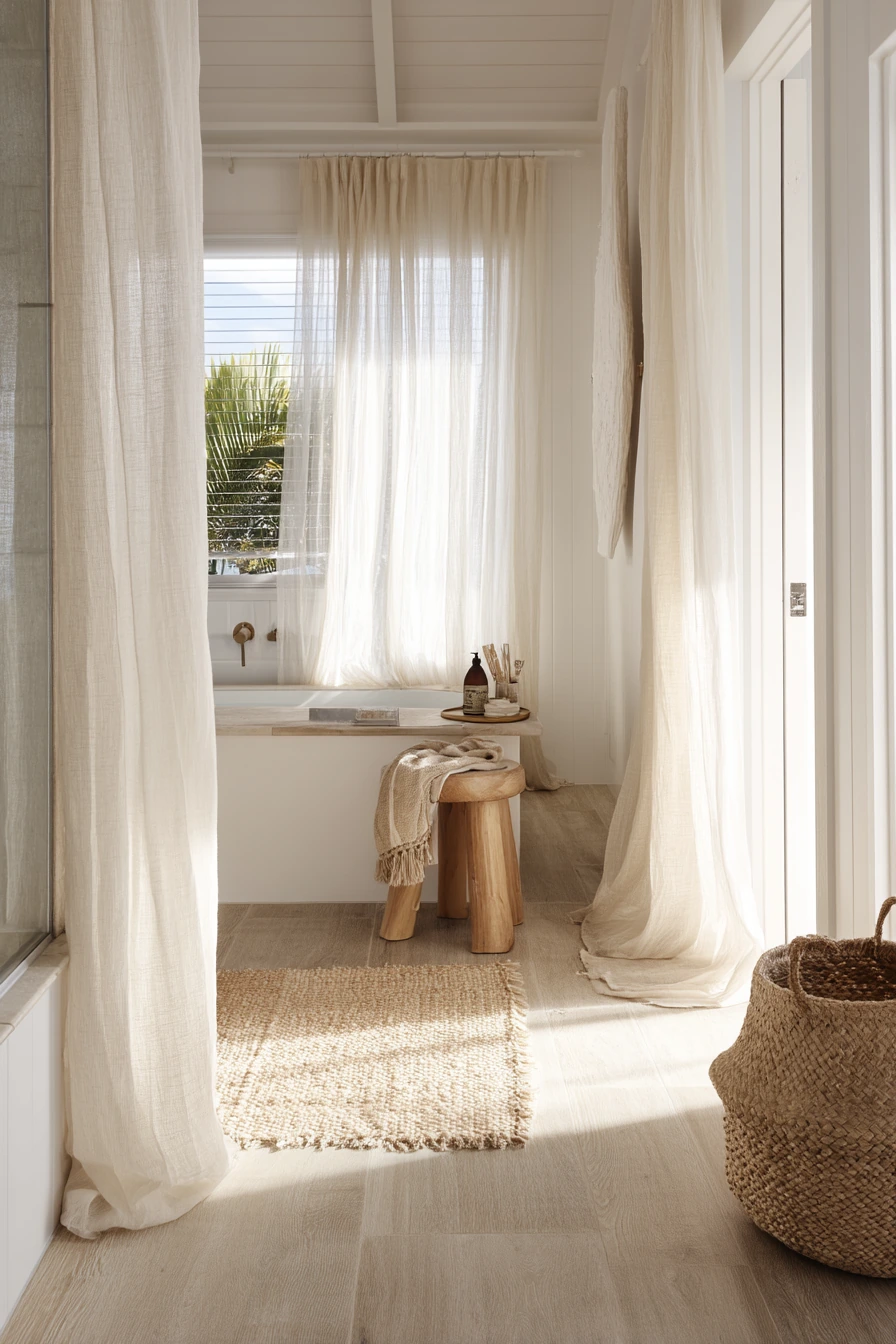
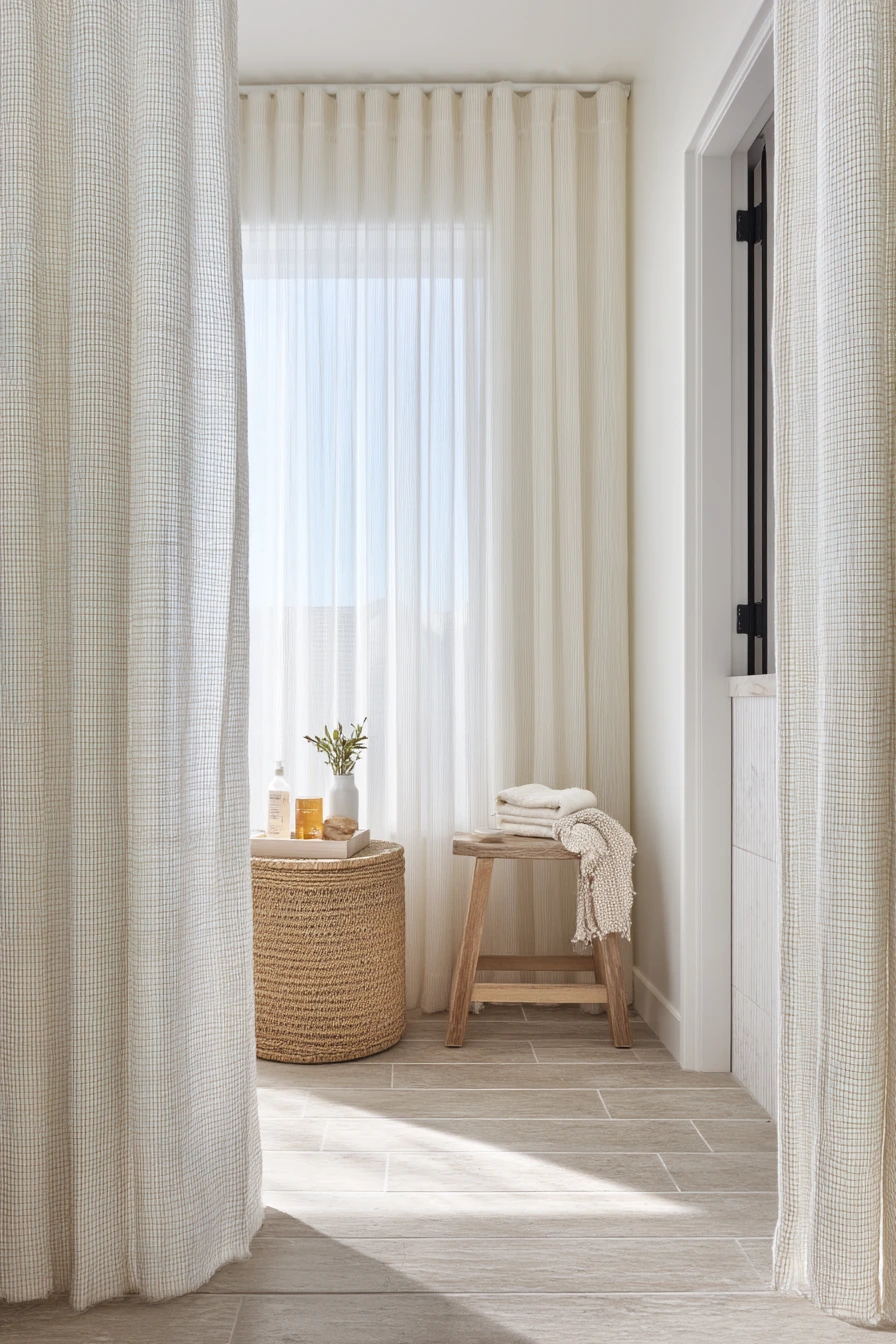
Light wood-look tile flooring is a popular choice for an airy ensuite because it brings the warmth of wood with the water resistance of tile. With off-white walls and cane accessories, the room feels relaxed and coastal without needing bold colors. Soft morning light through sheer curtains makes the grain look natural and calm.
Wood-look porcelain works well in bathrooms because it resists moisture and does not swell like real wood. Choose a finish with subtle texture so it is not slippery when wet. Laying the tiles in a straight pattern keeps things simple, while a herringbone layout adds detail if the room is large enough. Keep grout lines tight and pick a grout that matches the tile tone so the floor reads like wood planks.
How to style it: lean into easy weekend-home details. A folded beach towel, sunscreen bottle, and a book on a stool feel personal and practical. Add a woven hamper or cane tray to repeat the texture. Stick to a soft palette of sand, white, and pale blue, then add one darker note, like a navy hand towel, to give contrast.
- Select a light oak or ash tone for a brighter feel.
- Use matching grout to keep the plank look realistic.
- Add cane or woven accessories to warm up the space.
- Keep wall colors off-white for a soft coastal mood.
- Choose a simple runner-style mat that shows some of the floor.
Pro Design Tip: Run the “planks” into the shower area if you are using a curbed shower, and keep the grain direction consistent to make the room feel longer.
Budget Considerations: Wood-look porcelain is often mid-range in price; if you need to save, choose a standard plank size and a basic layout to cut labor time.
8. Patterned Encaustic-Style Tile for a Compact City Bathroom
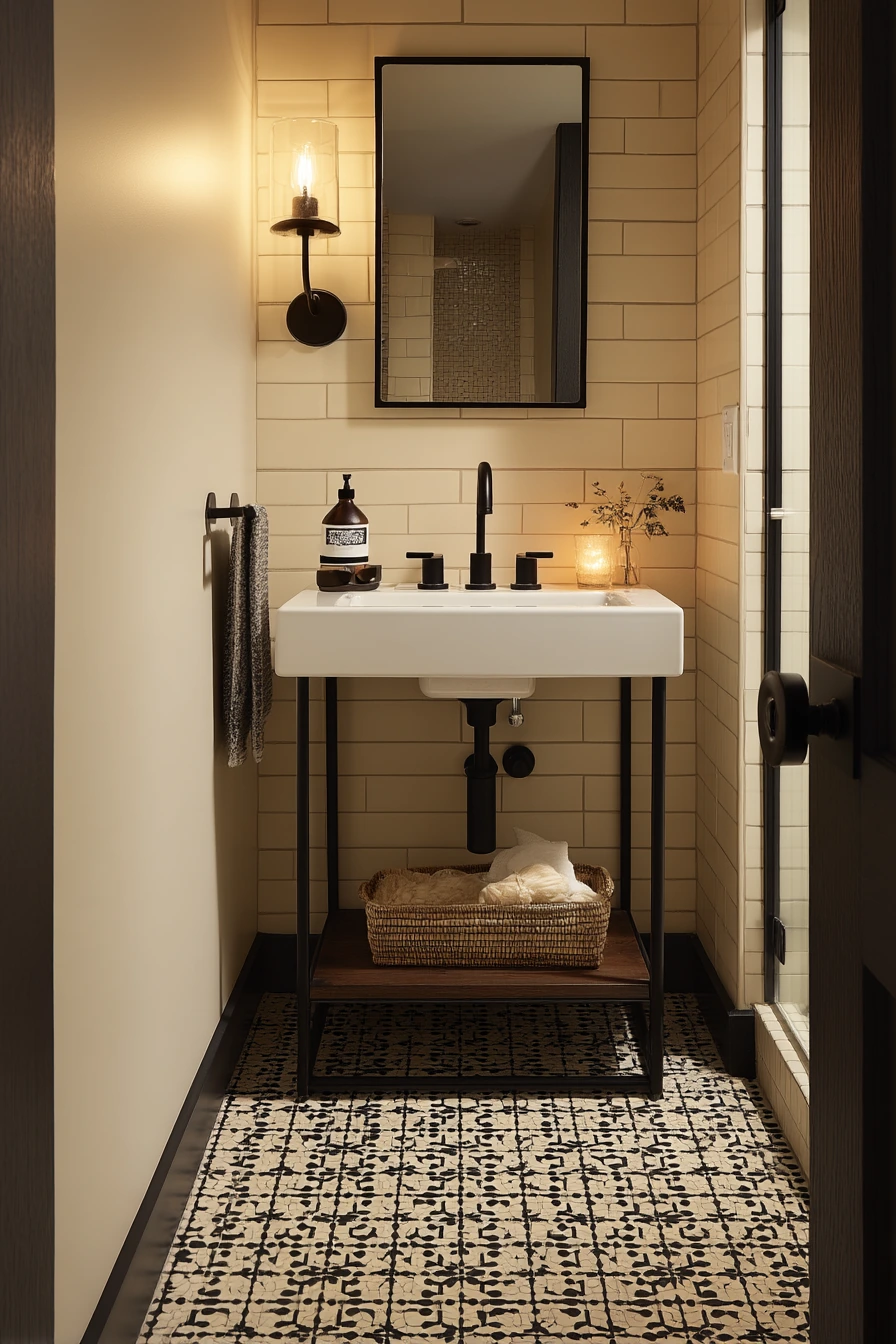
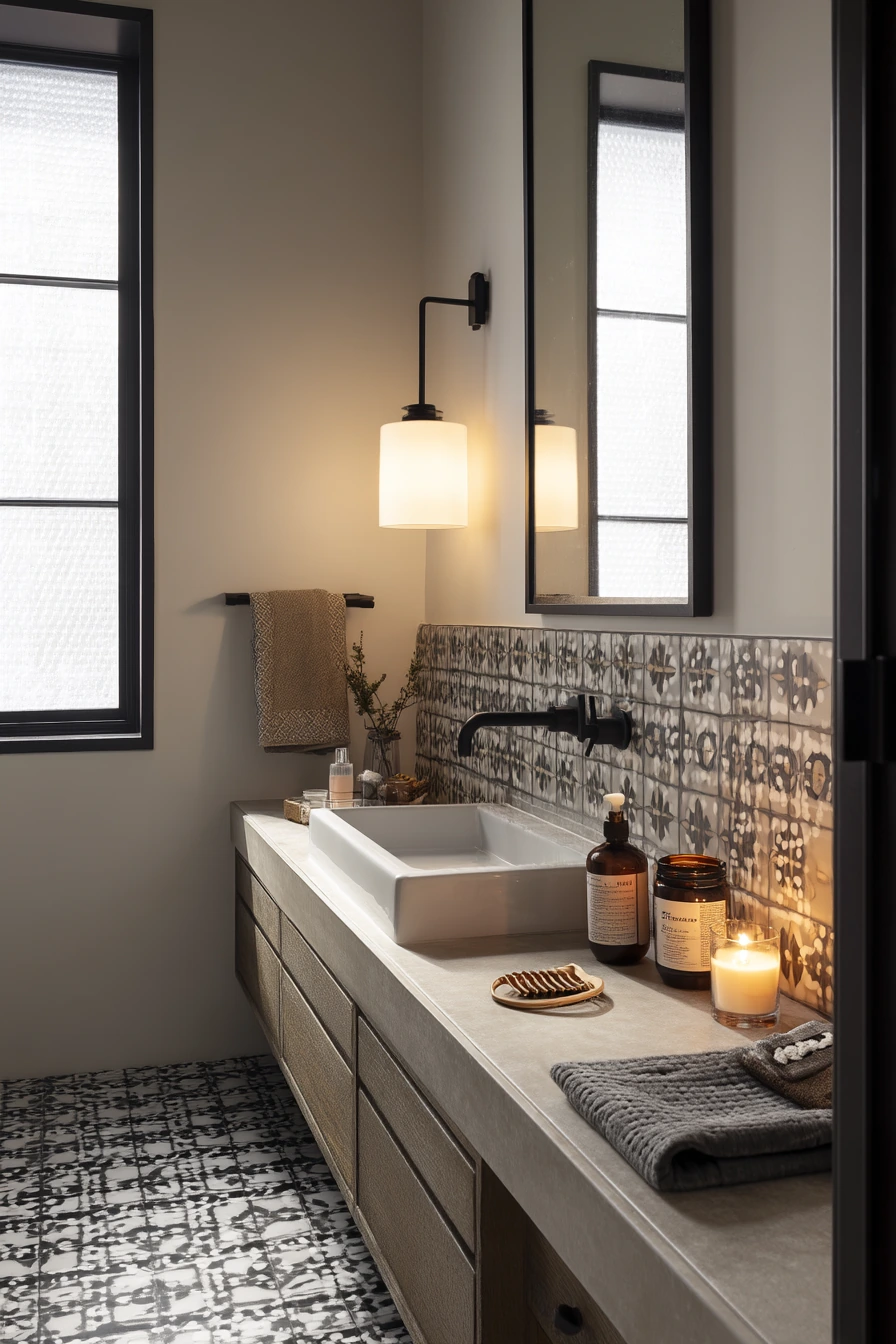
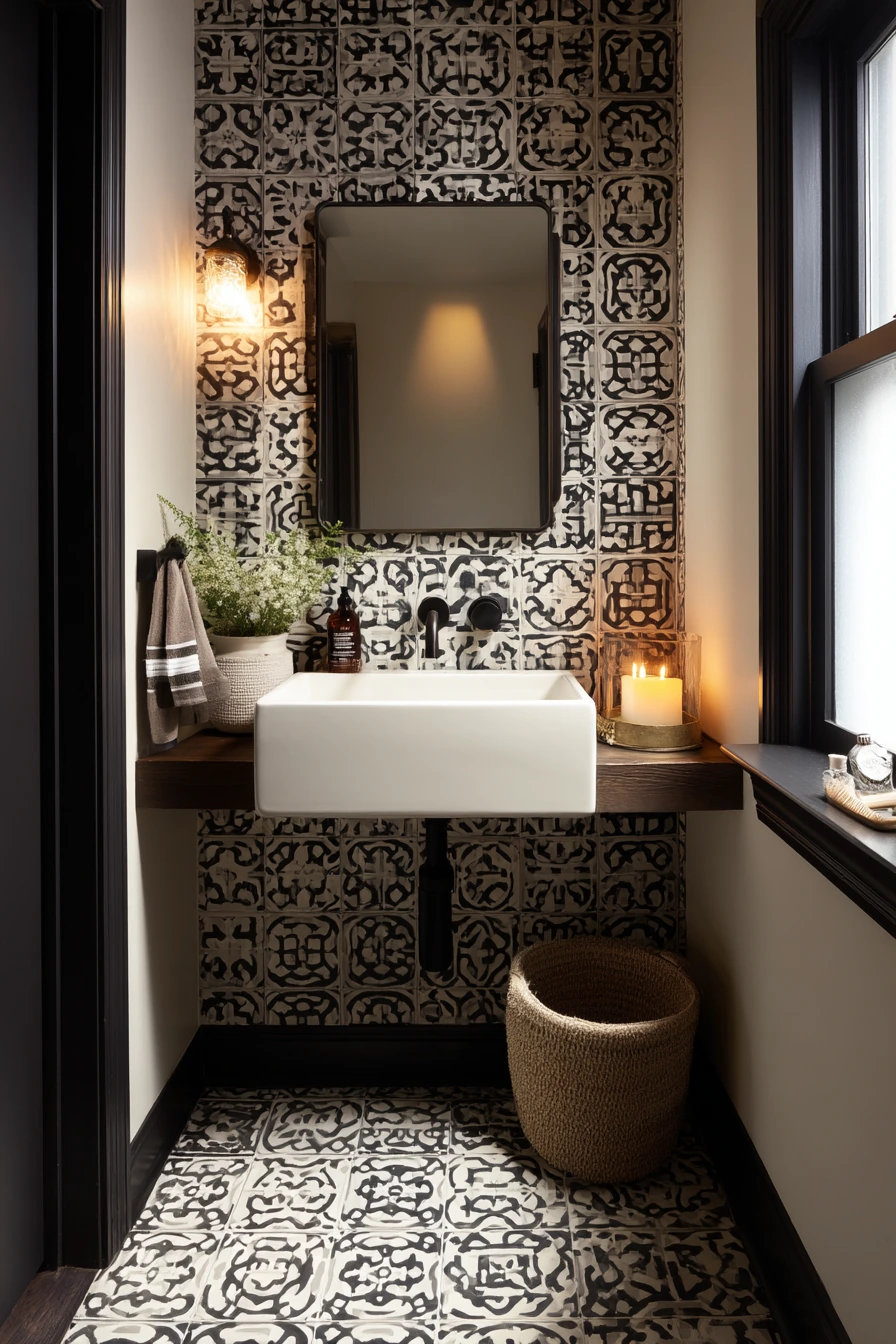
Patterned encaustic-style floor tile can make a compact city bathroom feel designed, even with a narrow vanity and simple storage. The graphic look pairs well with matte black fixtures, and it stands up visually to warm lamp light mixed with a little window light. If your counter has everyday items like face wash, a candle, and a hair clip, the floor helps the room feel intentional, not messy.
These tiles are often porcelain or ceramic made to look like traditional encaustic cement. Porcelain is usually the easiest choice for bathrooms because it is tough and less absorbent. Since the pattern already adds movement, keep other finishes quiet, like plain wall tile or a simple paint color. A small space can handle bold floors if you control the rest of the palette and keep storage tight.
How to style it: pull one color from the pattern and repeat it in a hand towel or soap dispenser. Use black-framed art or a black mirror to match the fixtures. Keep countertop items on a small tray so the floor remains the feature. If you want softness, add one neutral bath mat with clean edges, placed so the pattern still shows.
- Pick a pattern scale that fits the room, not oversized.
- Use matte black fixtures for a clean, modern contrast.
- Keep wall finishes simple so the floor stands out.
- Group toiletries on a tray to reduce visual clutter.
- Use warm bulbs to make patterned tile feel cozy.
Pro Design Tip: Center the pattern at the doorway or vanity front so the first view looks balanced, even if you need smaller cuts at the far wall.
Budget Considerations: Patterned tile can cost more and create more waste from cuts; consider using it only on the main floor area and a simpler tile in hidden zones if you need to trim costs.
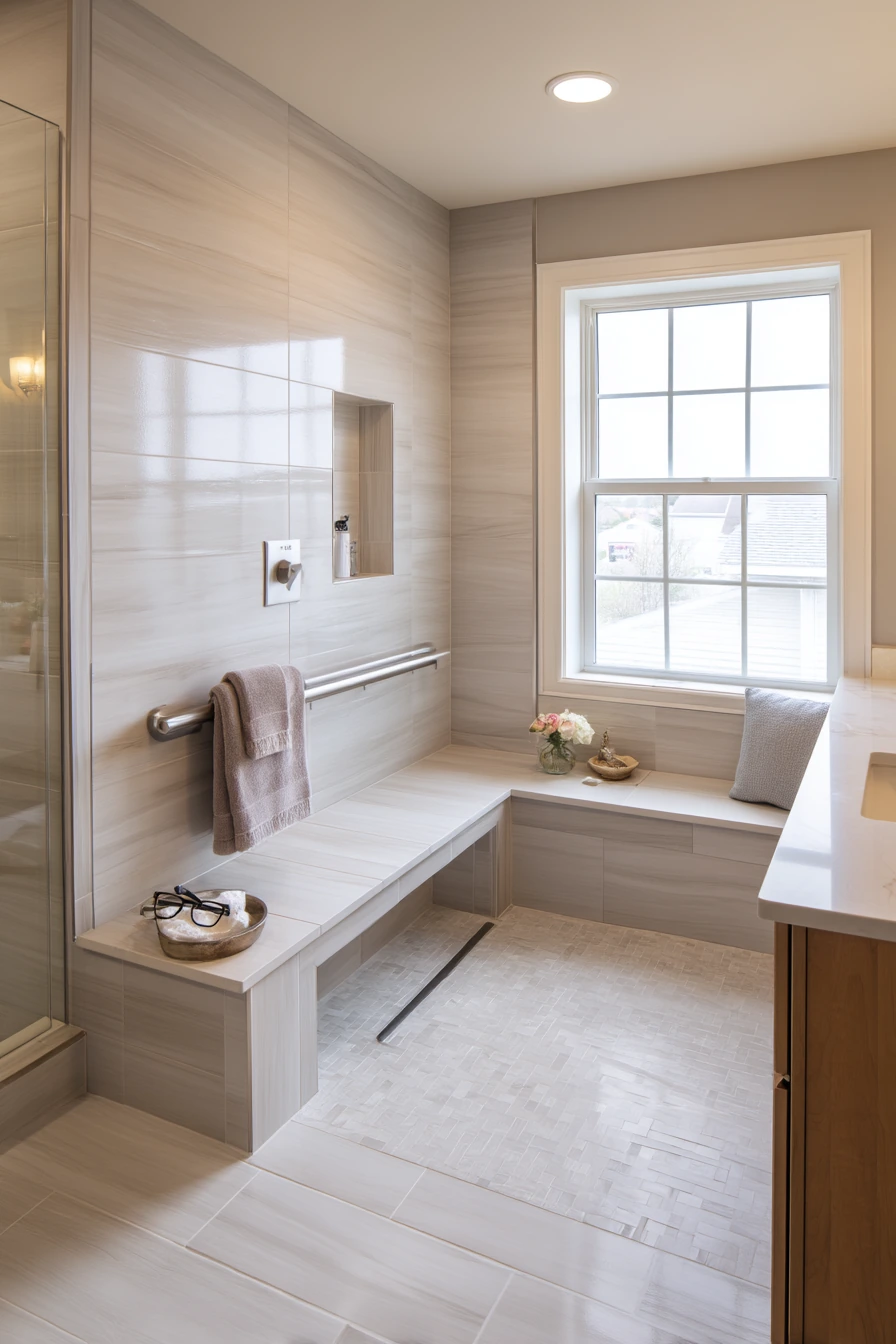
9. Large-Format Porcelain Flooring for an Accessible Bathroom
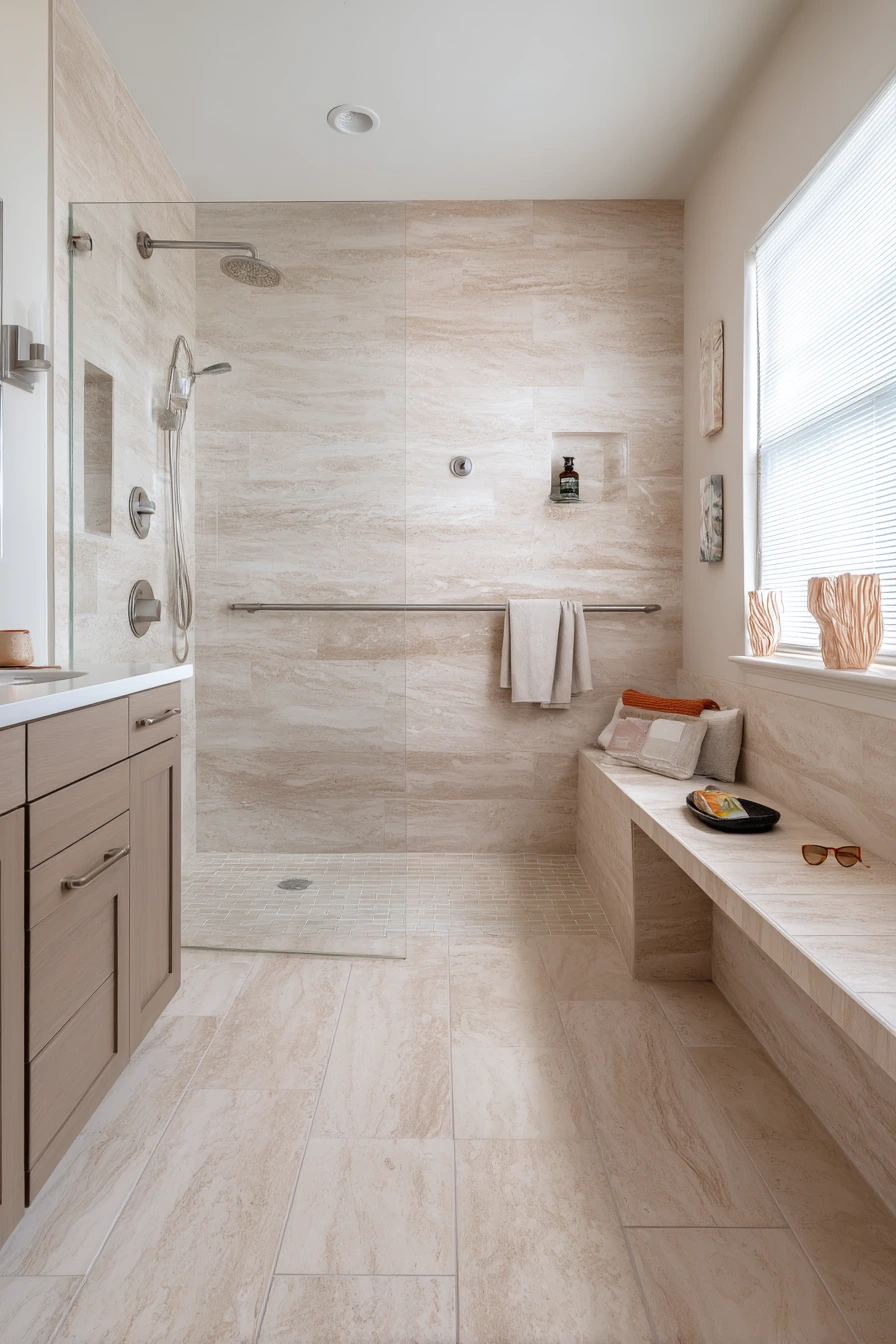
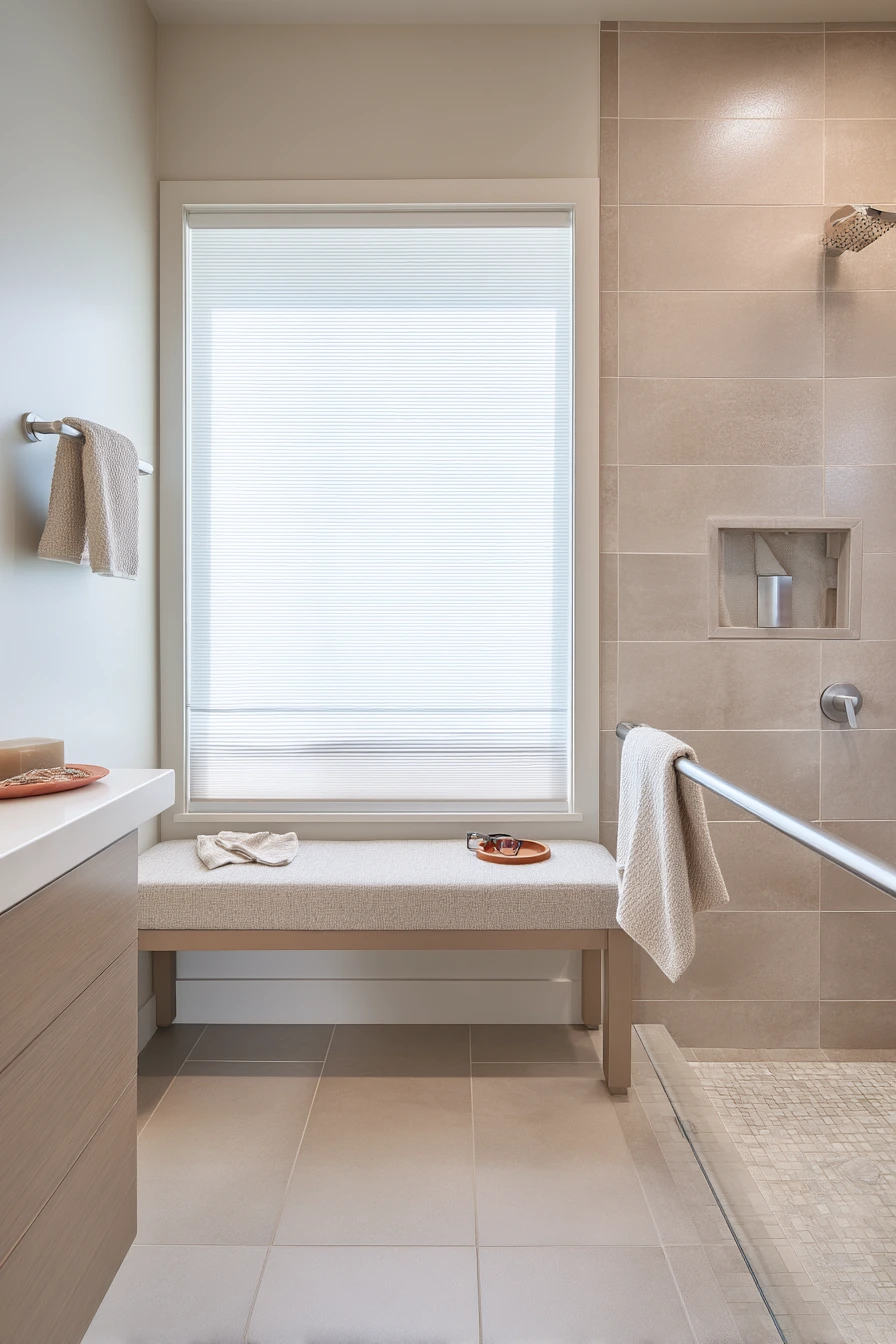
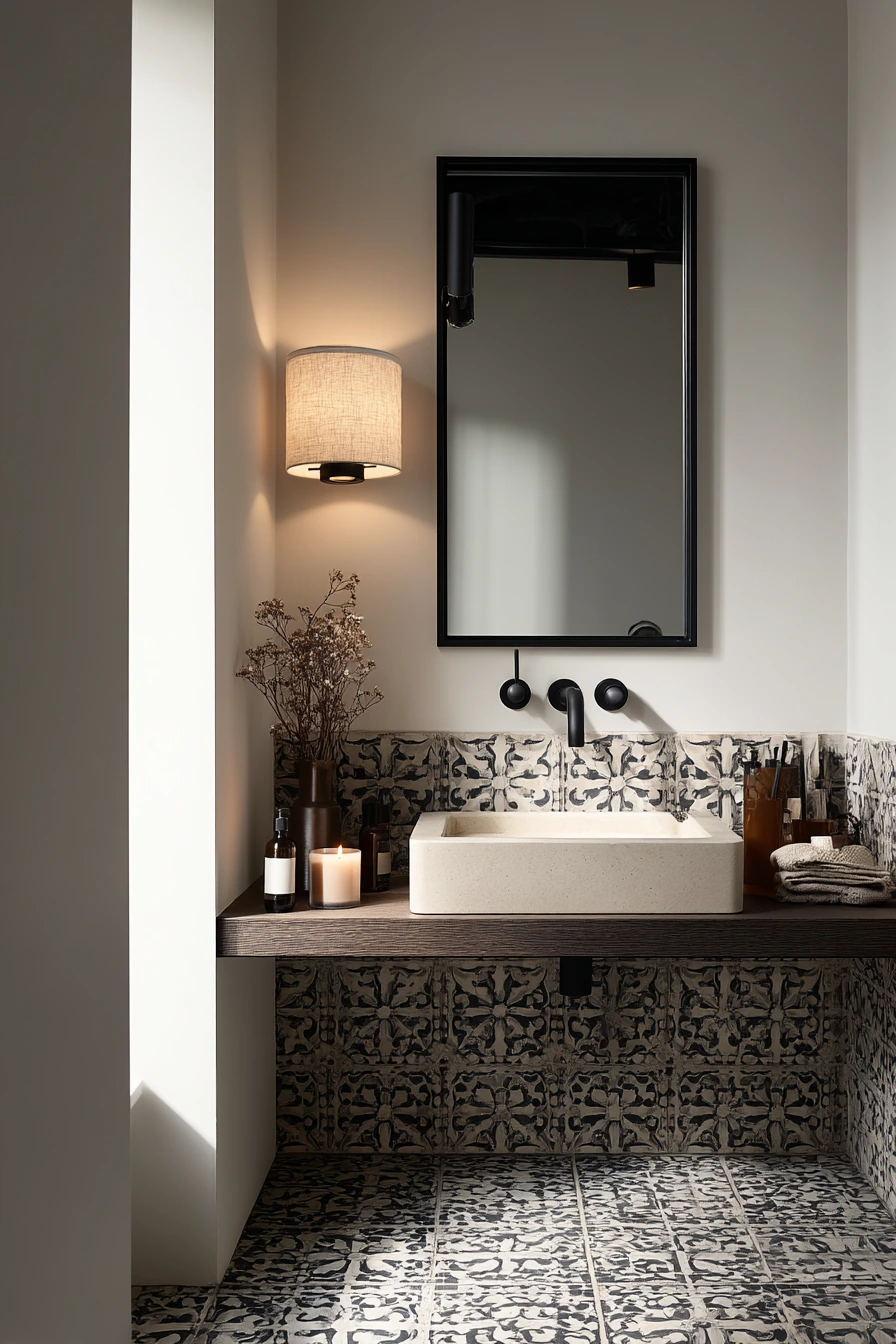
Large-format porcelain flooring in a soft sand tone is a strong choice for an accessible bathroom. It looks calm, supports a curbless walk-in shower, and pairs well with grab bars and a built-in bench. The lighter color keeps the room bright and reassuring, and it works with simple details like a folded towel and a soap dish.
For accessibility, the floor should be stable, slip resistant, and easy to roll over if needed. Large tiles mean fewer grout lines, which can help with cleaning and reduce bumps. A matte finish is usually safer than a polished one. Plan the slope carefully in a curbless shower so water drains well without creating a steep pitch. Also think about transitions at the bathroom door so there is no lip to catch toes or wheels.
How to style it: keep contrast clear so the room is easy to use. For example, choose a vanity that stands out from the sand-colored floor, and use towels in a deeper color. Add a small basket for supplies and keep the counter clear, with only a few daily items like reading glasses. Good lighting matters here, so use bright, even light and avoid heavy shadows.
- Choose a slip-resistant matte porcelain tile.
- Use large-format tiles to reduce grout lines and cleaning time.
- Plan a smooth, flush transition at the doorway.
- Ensure proper slope to the drain in a curbless shower.
- Add contrast in towels and accessories for easier visibility.
Pro Design Tip: Use a linear drain along one wall so you can keep the rest of the shower floor on a single, gentle slope, which looks cleaner and can be easier to navigate.
Budget Considerations: Accessible features add cost, so save by choosing a standard large-format porcelain in a common size and using matching tile in both the main floor and shower for fewer materials.
10. Dark Marble-Look Tile for a Sophisticated Powder Room Floor
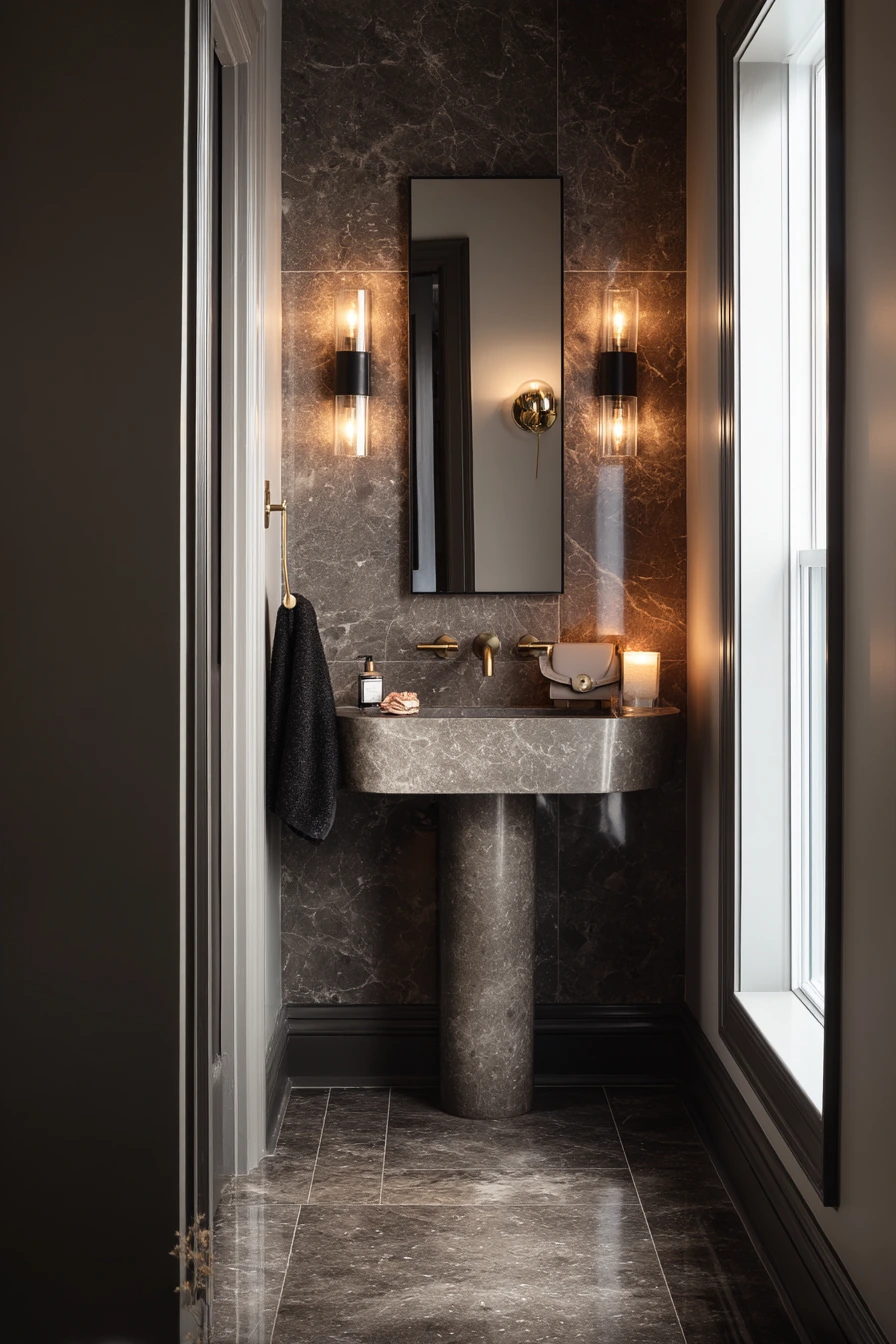
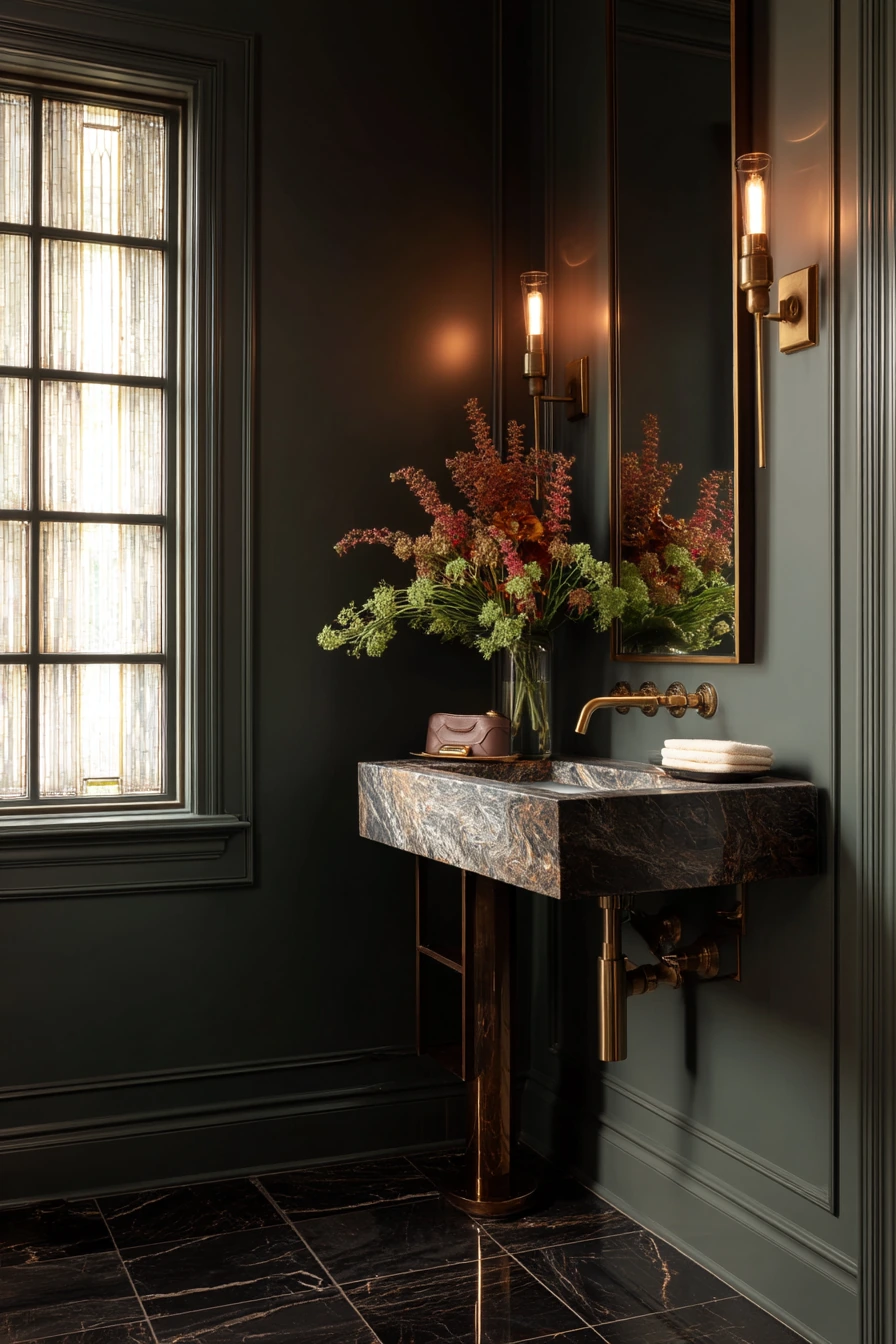
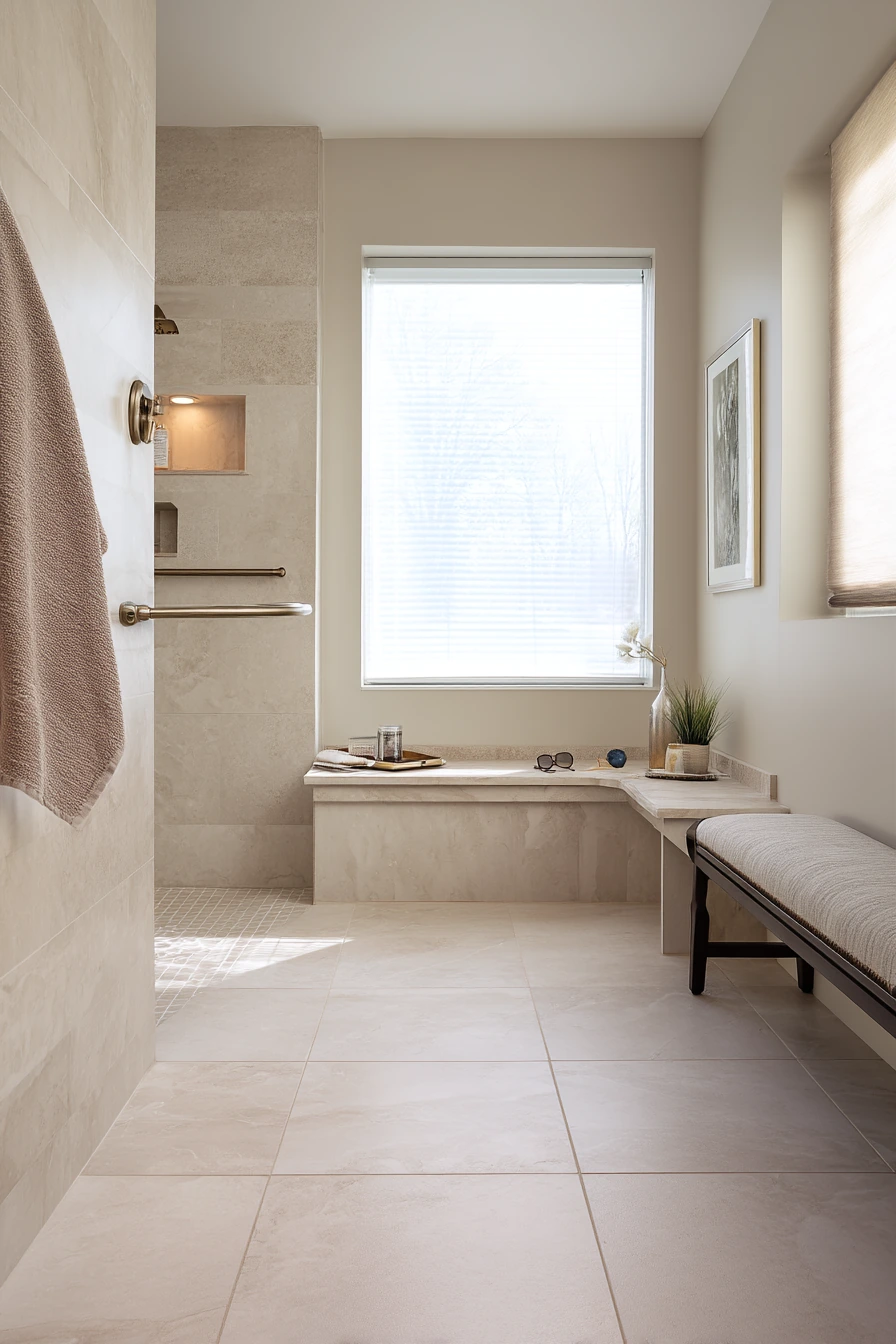
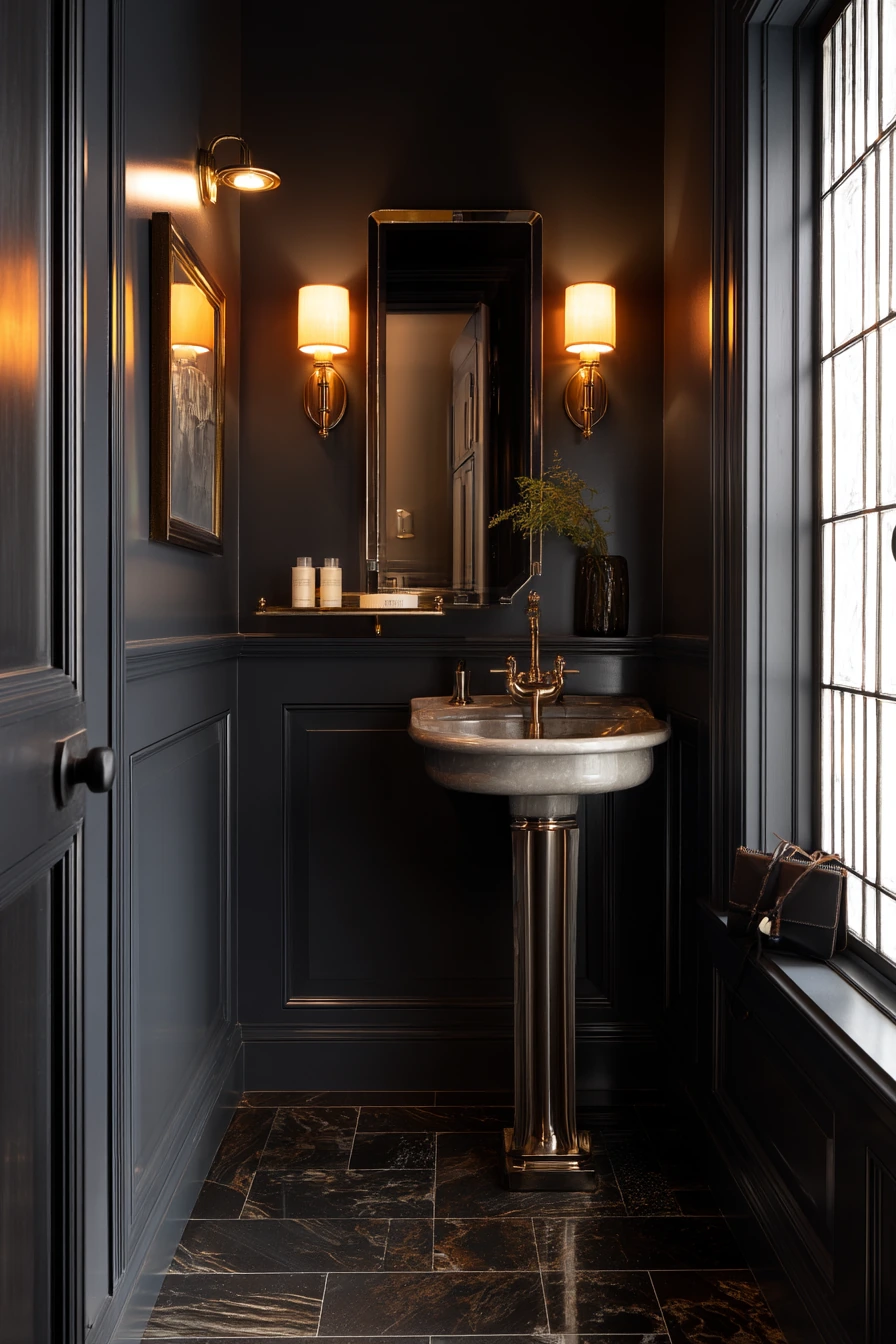
Dark marble-look floor tile can give a powder room a polished, grown-up feel without needing a big renovation. It pairs well with a slim pedestal sink and petite wall sconces, and it looks rich under warm lighting. Small real-life details, like a lipstick tube, hand cream, and a clutch on a shelf, fit the mood and make the space feel used.
Marble-look porcelain is a practical way to get the veined look with less worry about stains and etching. In a powder room, you do not deal with daily showers, but you still want a surface that cleans easily. A darker tile can show lint and dust, so plan for quick wipes and consider a finish that is not too glossy. If you want the floor to feel deeper, choose a tile with soft veining rather than high-contrast lines.
How to style it: keep the palette tight. Black, white, and one warm metal, like brass or aged gold, can look clean and expensive. Use a small tray for hand soap and lotion, and add one piece of art or a small vase to soften the stone look. If you like a cozy feel, choose sconces with warm bulbs and a shade that diffuses light.
- Choose marble-look porcelain for easier care than real marble.
- Use warm lighting to make dark floors feel inviting.
- Keep decor minimal so the floor reads as elegant.
- Add one warm metal finish for contrast and warmth.
- Plan for dust with a quick-clean routine and a small mat if needed.
Pro Design Tip: Use a darker grout that matches the main tile tone to keep the floor looking continuous and to reduce the look of dirt in high-traffic powder rooms.
Budget Considerations: Marble-look porcelain costs less than real marble and avoids sealing; you can also save by choosing a standard tile size and a simple straight lay pattern.
Good bathroom flooring ideas start with how you live. A family bath may need durable slate or easy-clean porcelain, while a rental may do best with peel-and-stick or vinyl plank.
Use the styling notes to keep the room feeling real and tidy, and lean on the pro tip and budget line in each section to choose what fits. If you still feel unsure, use the FAQ below as a quick checklist before you buy.
FAQ
1. What is the best bathroom flooring for water? Porcelain tile is one of the best because it is dense and handles moisture well. Waterproof vinyl can also work if the product is rated for bathrooms and installed correctly.
2. Is vinyl plank safe in a bathroom? It can be, especially if it is waterproof and the seams and edges are sealed as the manufacturer recommends. Avoid products not approved for wet areas.
3. What flooring is best for a small bathroom? Light tones like ash vinyl plank or sand porcelain can make the room feel bigger. Large-format tiles can also help by reducing grout lines.
4. How do I make tile less slippery? Choose a matte or textured finish and use small mats where water lands, like by the tub or sink. Keep soap residue cleaned off the surface.
5. Can I install peel-and-stick tiles over existing flooring? Often yes, if the surface is smooth, clean, and firmly attached. Deep texture and loose layers can show through and cause lifting.
6. What grout color is easiest to maintain? Mid-tone grout that matches the tile usually hides dirt better than bright white. Matching grout also makes patterns look calmer.
7. Is real stone a good idea for bathrooms? It can be, but many stones need sealing and gentle cleaners. If you want the look with easier upkeep, stone-look porcelain is a safer pick.